by Dan Kost, CEO | Feb 18, 2025 | Blog
The sports advertising landscape has shifted dramatically. Streaming platforms are pouring billions into sports rights, traditional TV networks are fighting to maintain their dominance, and brands are stuck in the middle wondering where to invest their advertising dollars.
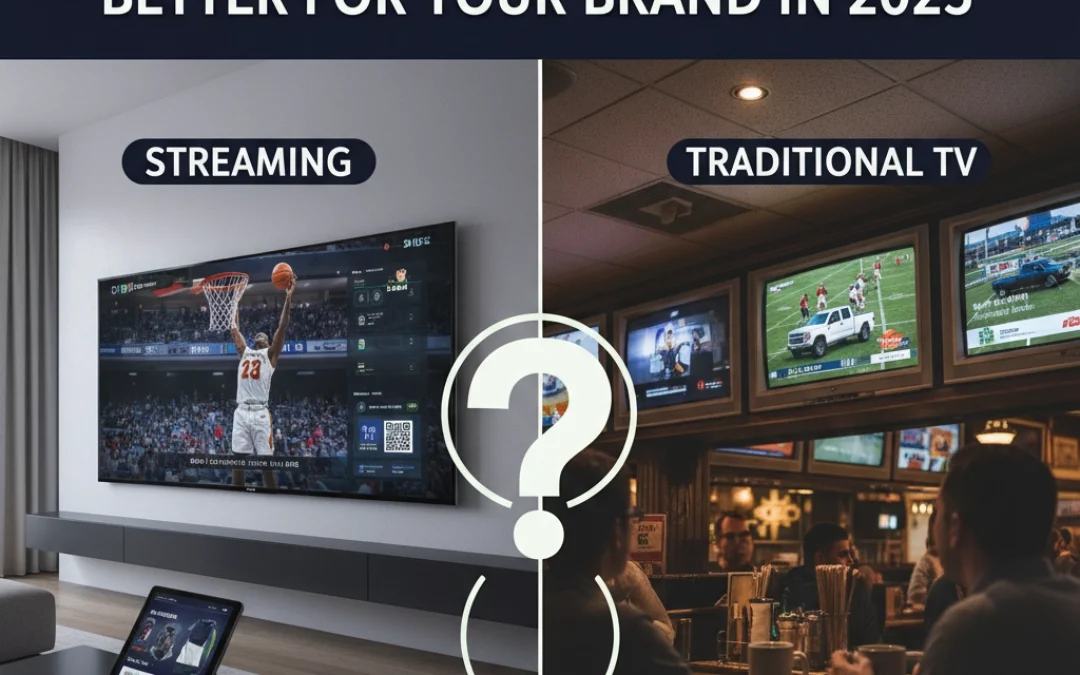
Here's the bottom line: streaming sports advertising is delivering 66% better results than traditional broadcast and cable, but that doesn't automatically make it the right choice for every brand. You need to understand exactly what each platform delivers before you make your move.
The Streaming Revolution Is Real (And Profitable)
Streaming platforms have thrown down $60 billion in sports rights spending since 2022: that's a 60% increase from previous years. They're not doing this for charity. The data shows streaming sports advertising works.
Why streaming delivers superior results:
First, you get precision targeting that traditional TV can't match. Streaming platforms use first-party data to serve ads based on actual viewer behavior, demographics, and device preferences. You're not throwing darts at a demographic board: you're hitting specific audience segments with laser accuracy.
Second, creative flexibility gives you options beyond the standard 30-second spot. Streaming allows squeeze-backs, screen ribbons, and in-game placements that appear without interrupting the action. Your brand can integrate naturally into the viewing experience instead of interrupting it.
Third, viewer commitment runs deeper. 46% of sports fans specifically signed up for streaming services to follow particular sports or events. These aren't casual channel surfers: they're invested viewers who chose to pay for content they care about.

The streaming audience breakdown you need to know:
- 58% of sports streaming subscribers keep their service because it's dedicated to a sport they love
- Women and Gen Z viewers are increasingly found in streaming environments
- Real-time analytics provide immediate campaign performance data
- First-party data enables personalized advertising that traditional TV cannot deliver
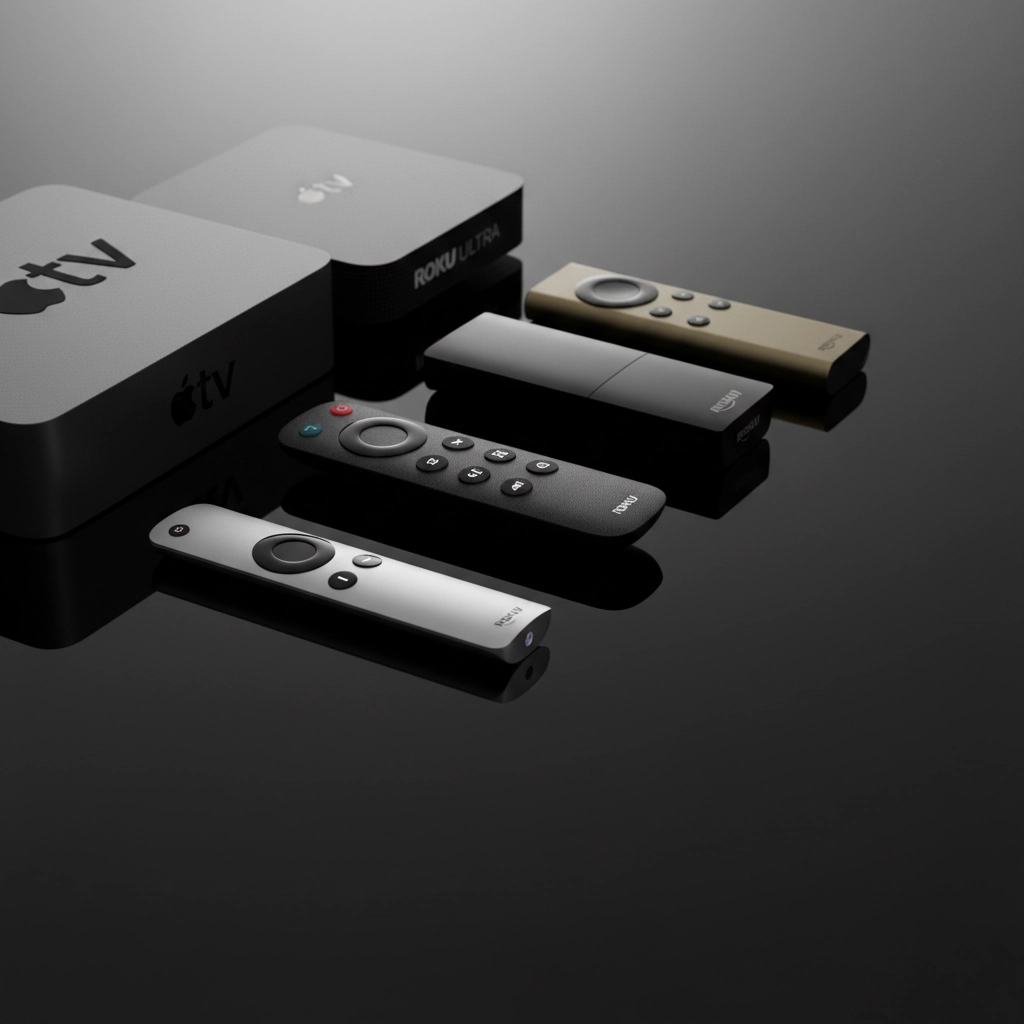
But here's what most agencies won't tell you: streaming success requires managing fragmentation across multiple platforms. You can't buy one package and reach everyone. Netflix has different sports content than Amazon Prime, which differs from Apple TV+, which differs from ESPN+.
Traditional TV Still Packs a Punch
Don't write off traditional TV yet. 57% of sports fans still primarily watch live sports on traditional television, and there's a compelling reason why.
Traditional TV creates the superior social viewing experience. Sports ads on traditional TV are 47% more likely to be seen by groups of two or more people compared to average non-sports programming. That's exponentially more eyeballs per impression than streaming's typically solo viewing experience.
The NFL generates $5.2 billion annually in national TV advertising with average viewership exceeding 17 million during regular season games. Those numbers represent proven, measurable reach that streaming platforms are still working to match.
Traditional TV's enduring advantages:
- Established measurement systems you can trust
- Broad demographic reach across age groups
- Social viewing amplifies brand exposure
- Familiar buying processes with known pricing models
- No platform fragmentation: one buy reaches the entire audience
The infrastructure advantage cannot be overstated. Traditional TV sports advertising operates on decades of established practices. You know what you're buying, when it will air, and how to measure results.

The Head-to-Head Comparison
Effectiveness and Performance:
Streaming wins decisively. The 66% effectiveness advantage over broadcast and cable isn't marginal: it's transformative. Higher engagement rates, better completion rates, and more precise targeting create superior campaign performance.
Audience Reach:
Traditional TV maintains the edge for broad reach, but streaming captures highly engaged, committed viewers. Traditional TV gives you more people; streaming gives you better people for targeted campaigns.
Creative Opportunities:
Streaming platforms offer innovative ad formats that traditional TV cannot deliver. In-game overlays, interactive elements, and flexible timing create advertising experiences that feel native to the content.
Data and Insights:
Streaming provides real-time analytics, behavioral tracking, and first-party data that traditional TV systems cannot match. You get granular insights into who watched, when they watched, and how they engaged.
Cost and Efficiency:
Streaming typically delivers higher cost-per-impression but significantly better engagement rates. Traditional TV offers predictable pricing but potentially lower efficiency for targeted campaigns.

Your Strategic Decision Framework
Choose streaming sports advertising when:
You need precise audience targeting. If your brand serves specific demographics, streaming platforms can deliver exactly those viewers without wastage.
Creative flexibility matters to your campaign. When standard commercial breaks won't effectively communicate your message, streaming's innovative formats provide better options.
Performance metrics drive your decisions. Streaming platforms provide detailed analytics that traditional TV measurement systems cannot match.
You're targeting younger demographics. Gen Z and millennials increasingly consume sports content through streaming platforms.
Choose traditional TV sports advertising when:
Maximum broad reach is your primary goal. When you need to reach the widest possible audience across all demographics, traditional TV still delivers superior scale.
Social viewing amplification benefits your brand. Products or services that benefit from group discussion or shared experiences leverage traditional TV's social viewing advantage.
Established buying relationships matter. If you have existing relationships with traditional broadcasters or prefer familiar measurement systems, traditional TV provides operational simplicity.
You're targeting older demographics who primarily consume traditional television content.
The Hybrid Approach That Actually Works
Most successful sports advertisers in 2025 use both platforms strategically. Here's how to structure your approach:
Use streaming for precision strikes. Target specific audience segments with tailored creative that leverages streaming's data advantages and flexible formats.
Use traditional TV for broad awareness. Maintain baseline brand presence across diverse demographics while capitalizing on social viewing experiences.
Coordinate messaging across platforms. Ensure your streaming precision campaigns and traditional TV broad reach efforts reinforce consistent brand messaging.
Measure differently. Apply streaming's detailed analytics to optimize targeting while using traditional TV's proven metrics to measure broad reach effectiveness.
The fragmented sports landscape means exclusive content exists across multiple platforms. A hybrid approach ensures you reach your complete target audience rather than missing segments locked behind different paywalls or viewing preferences.
Making Your Decision
Remember this: the "better" platform depends entirely on your specific objectives, target audience, and campaign goals. Streaming sports advertising delivers superior engagement and targeting precision. Traditional TV sports advertising provides proven broad reach and social amplification.
Don't let industry hype drive your decision. Evaluate your brand's specific needs against each platform's demonstrated strengths. The 66% effectiveness advantage of streaming is compelling, but only if that effectiveness reaches the right audience for your particular business objectives.
Your sports advertising strategy should reflect your brand's reality, not industry trends. Choose the platform: or combination of platforms: that delivers your message to your audience most effectively. Everything else is just noise.
by Dan Kost, CEO | Jan 18, 2025 | Blog
You want to get your brand in front of the most passionate sports fans at the exact moment they're most engaged. The problem? Everyone else wants the same thing. The solution lies in understanding how to secure exclusive sports inventory that most advertisers never even know exists.
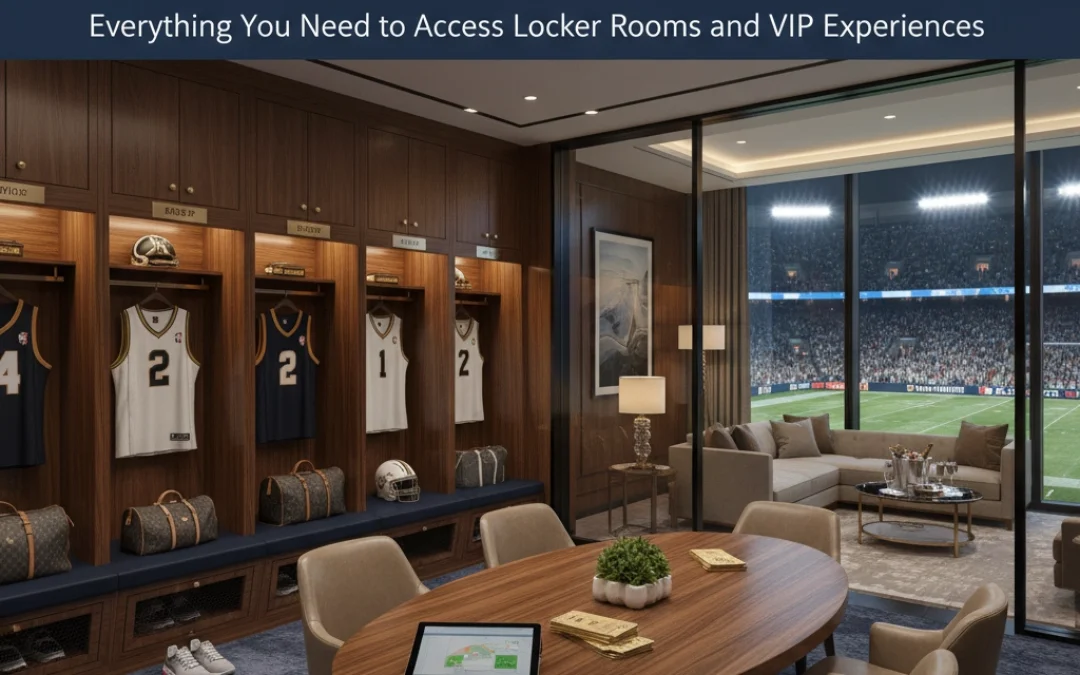
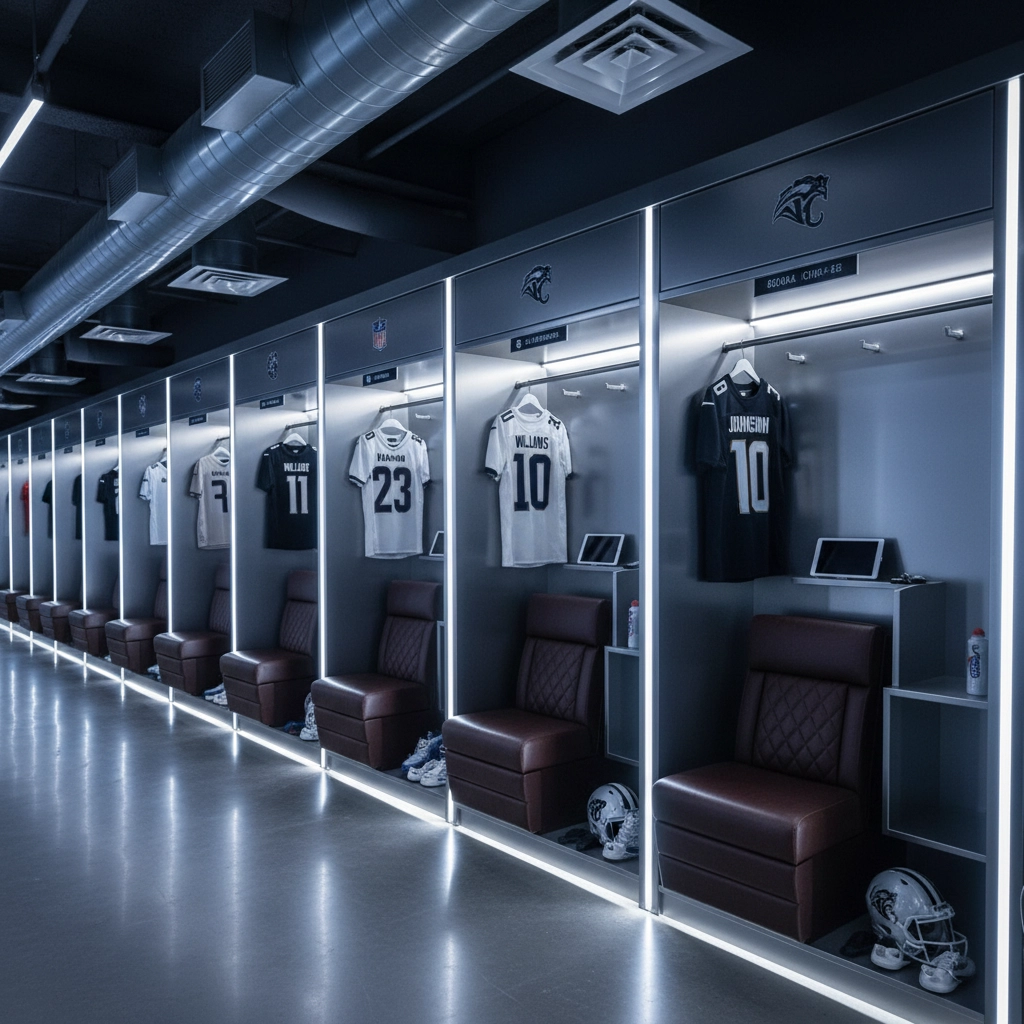
Exclusive sports inventory isn't just premium: it's the advertising real estate that puts your message where fans are completely captivated. We're talking about locker room interviews, VIP suite experiences, dugout shots, and behind-the-scenes moments that create an emotional connection no traditional ad placement can match.
What Exclusive Sports Inventory Actually Means
Stop thinking of sports advertising as just stadium billboards and commercial breaks. Exclusive inventory represents the premium placements that reach fans during their most emotionally invested moments. This includes advertising opportunities during locker room interviews, VIP area broadcasts, dugout conversations, and exclusive behind-the-scenes content.
The key difference? Regular sports advertising competes for attention. Exclusive inventory captures attention when fans are already locked in. Your message becomes part of the experience, not an interruption to it.
Remember this: exclusive doesn't always mean expensive. It means strategic. You need to understand what constitutes truly valuable inventory versus what's just marketed as "premium" with a higher price tag.
The Five Types of Premium Sports Advertising Placements
Locker Room and Interview Integration
These placements put your brand directly in post-game interviews, player walkouts, and behind-the-scenes footage. Fans watch these moments with complete attention because they're getting exclusive access to their favorite athletes. Your brand becomes part of that exclusive experience.
VIP Suite and Club Level Exposure
This isn't about reaching the wealthy fans in luxury boxes. VIP area advertising reaches all viewers when cameras pan to these exclusive sections during gameplay. The psychological impact? Your brand gets associated with premium experiences and exclusivity.
Dugout and Sideline Proximity
Camera angles from dugouts and sidelines create intimate viewing moments. Strategic placement here means your brand appears during the most crucial game moments: when fans are holding their breath, completely absorbed in the action.
Pre and Post-Game Show Integration
These shows have dedicated, engaged audiences who tune in specifically for insider content. Unlike regular programming where viewers might channel surf, these audiences are committed to watching the entire segment.
Institutional and Educational Sports Programming
Through platforms like Sportrons.com, you can access inventory tied to institutional sports activities. This includes high school championships, college tournaments, and educational sports programming that reaches highly engaged local communities.

How TV-Style Digital Advertising Changes Everything
Here's where most advertisers get it wrong: they think digital means sacrificing the impact of television advertising. TV-style digital advertising gives you the visual impact and emotional connection of television with the precision targeting of digital platforms.
Your message reaches fans on their phones during commercial breaks, on their laptops while they're checking stats, and on their tablets while they're at the game. The same high-quality, professionally produced content follows fans across every screen they use.
The advantage? You're not just buying airtime on one channel. You're buying attention across the entire sports viewing ecosystem. When fans switch from watching the game on TV to checking highlights on their phone, your advertising message follows them seamlessly.
Accessing Locker Room and VIP Advertising Opportunities
Build Relationships with Sports Media Directors
Every professional sports organization has media directors who control access to exclusive filming opportunities. These aren't the people selling stadium naming rights: they're the ones who decide which brands can appear in behind-the-scenes content.
Start by identifying these decision-makers at teams in your target markets. Don't lead with budget numbers. Lead with creative concepts that enhance the fan experience rather than disrupting it.
Understand Production Schedules
Exclusive sports content follows strict production timelines. Locker room interviews happen within 30 minutes of game end. VIP area footage gets captured during specific gameplay moments. You need to align your creative assets with these schedules, not the other way around.
Leverage Broadcast Partnerships
Many exclusive opportunities come through broadcast partnerships rather than direct team relationships. Regional sports networks and streaming platforms often control the advertising inventory within exclusive content segments.

Working with Institutional Sports Programming
Institutional sports programming through Sportrons.com opens access to inventory that larger brands often overlook. High school championships, college tournaments, and educational sports content create deeply engaged local audiences.
These audiences are often more responsive to advertising because the content feels more personal and community-focused. A local business advertising during a high school championship game reaches families who are emotionally invested in the outcome.
The production quality matches professional sports broadcasts, but the advertising costs remain accessible for smaller budgets. You get television-quality exposure with local market pricing.
Securing Exclusive Inventory: Your Step-by-Step Approach
Step 1: Map Your Target Markets
Identify specific teams, venues, and broadcasters in your key markets. Don't try to buy nationally if your business operates regionally. Exclusive inventory works best when there's geographic alignment between your business and the sports property.
Step 2: Time Your Outreach Strategically
Media directors are most receptive during off-seasons and pre-season periods. During active seasons, they're focused on current productions, not future advertising partnerships.
Step 3: Present Integration Concepts, Not Just Ad Placements
Come with ideas about how your brand enhances the viewing experience. Instead of asking to place a logo in the locker room, propose how your brand could sponsor player interview segments or VIP area features.
Step 4: Start Small and Prove Value
Begin with limited commitments that let you demonstrate results. A successful small integration opens doors to larger exclusive opportunities later.

Maximizing ROI from Premium Sports Placements
Track engagement metrics that matter for exclusive inventory. Traditional reach and frequency measurements don't capture the full value of exclusive placements. You need to measure brand recall, purchase intent, and emotional connection metrics.
Exclusive inventory often produces better results with smaller audiences because the engagement level is significantly higher. A thousand highly engaged fans viewing your brand during a locker room interview can produce better business results than ten thousand casual viewers seeing your ad during regular programming.
Create content that can be repurposed across platforms. The same creative assets that work for locker room advertising can be adapted for VIP area placements and digital streaming integration.
Making It Work for Your Business
Exclusive sports inventory requires a different approach to media buying. You're not just purchasing ad space: you're investing in brand association with exclusive experiences. This means your creative strategy, timing, and measurement approaches all need to align with the premium nature of the placement.
Start by identifying one or two exclusive opportunities that align perfectly with your target audience. Master these placements before expanding to additional inventory types. The relationships and expertise you build with your initial exclusive partnerships become the foundation for accessing even more premium opportunities.
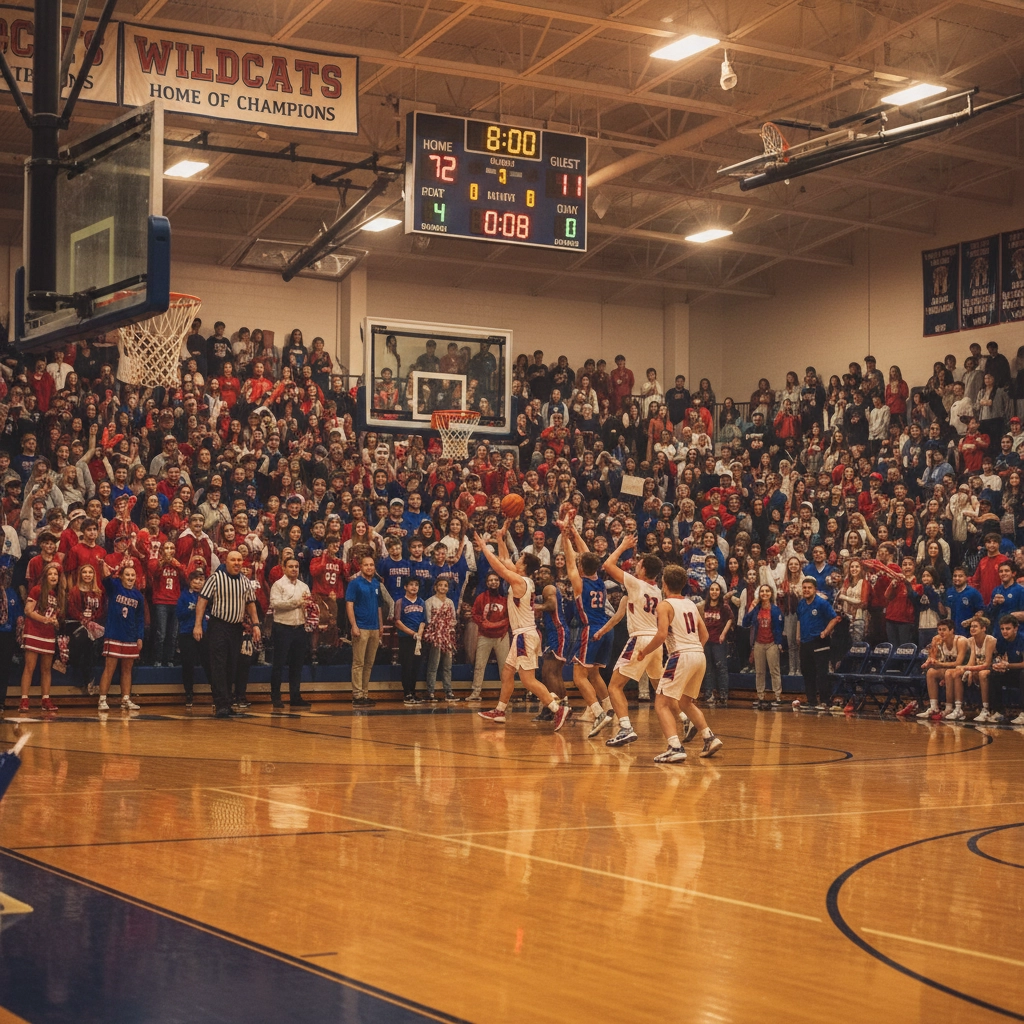
Remember: exclusive sports inventory isn't about having the biggest budget. It's about understanding how to align your brand with the moments when sports fans are most emotionally connected to what they're watching. Get this right, and you'll reach your audience when they're most likely to remember and act on your message.
The opportunity exists right now. The question is whether you'll take the steps necessary to access it while your competitors are still buying traditional placements that fans have learned to ignore.

Recent Comments