by Dan Kost, CEO | May 27, 2026 | Blog
By: Victoria Teresa Alescio
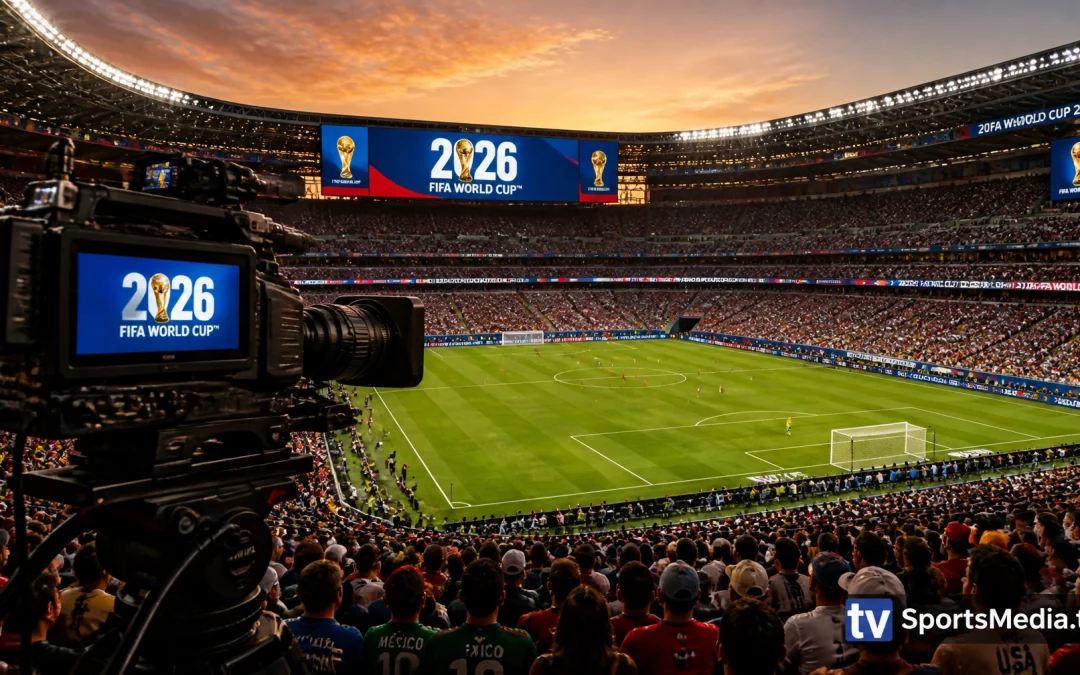
The sound of the 2026 FIFA World Cup is no longer a distant echo; it is now part of the daily buildup surrounding the tournament across North America. In May 2026, FIFA officially unveiled its multi-song soundtrack, moving beyond the traditional one-song model and creating a broader musical backdrop for the biggest event in world soccer. Central to that soundtrack are three tracks: "Dai Dai," "Illuminate," and "Goals."
Following the structure and emphasis outlined by Victoria Teresa Alescio, these songs are best understood not as side content, but as part of the event itself. They help shape the feeling around the tournament before kickoff, between matches, and across highlight packages, fan clips, and stadium moments. For sports media outlets such as SportsMedia.tv, that shift matters. The soundtrack is not just accompanying the World Cup atmosphere in 2026; it is actively helping define it.
What Makes "Dai Dai" the Definitive Global Anthem?
"Dai Dai," performed by popstars Shakira and Burna Boy and released on May 15, 2026, quickly moved into the center of the World Cup conversation. The track serves as the official theme for the FIFA Education Fund, but its wider impact comes from its pace, confidence, and instant stadium appeal. From the opening beat, the song feels built for entrances, highlight reels, and packed fan zones.

The production is bright, forceful, and easy to recognize within seconds. It pushes forward with a steady pulse that matches the speed and pressure of tournament football. Dr. Helena Vance, a musicologist specializing in global pop, said the song works because it feels familiar while still sounding current. "Shakira has a storied history with international soccer music, starting with 'Waka Waka' in 2010," Vance explains. "Her return creates a sense of continuity and evolution for the World Cup brand."
Visually, the music video leans into movement and momentum. The choreography is expansive, the pacing is quick, and the overall effect matches the urgency of a World Cup match. For sports broadcasters and digital publishers, "Dai Dai" functions as an energy source as much as a song, giving the 2026 tournament a sound that feels ready for global rotation. (Remember: High-energy tracks like this are your best bet for high-frequency TV spots where you need to grab attention in the first three seconds.)
How Does "Illuminate" Build Pre-Match Atmosphere?
The second pillar of the 2026 soundtrack is "Illuminate" by popstars Elyanna and Jessie Reyez, released on May 8, 2026. The track brings a lighter but still charged mood to the official music lineup, giving the tournament a song that feels ideal for opening sequences, crowd shots, and the minutes before kickoff.

"Illuminate" stands out for its balance of lift and control. The production has a clean, atmospheric build, then opens into a bigger, more celebratory sound. "We wanted a song that felt like the sunrise over a stadium," Reyez mentioned in a press statement. "It’s about the hope that comes before the first whistle."
That description matches the role the song now plays across the wider 2026 World Cup atmosphere. It carries anticipation without losing momentum. In sports media terms, it is the kind of track that fits naturally into pre-match packages, social clips, and branded tournament coverage. You need to look at "Illuminate" as a tool for emotional timing. It captures the moment just before the action begins: a prime spot for brands wanting to associate themselves with the optimism and potential of a new game day.
Why is "Goals" Considered the Boldest Collaboration of 2026?
Perhaps the most ambitious track on the 2026 official album is "Goals" by popstars LISA, Anitta, and REMA, released on May 21, 2026. It is the most direct of the three songs, leaning fully into speed, impact, and crowd-facing confidence.

The track is driven by high-tempo production and a visually striking music video built around movement, attitude, and fast-cut performance. Each section arrives with enough contrast to keep the song in motion, while the hook is built to land quickly in stadiums and across broadcast edits.
"The song is a statement of power," says Marcus Thorne, a sports marketing analyst. "It sounds designed for the biggest stage possible." The title works on two levels at once. It points to the objective on the field, but it also captures the wider ambition surrounding the event itself. In the 2026 World Cup media cycle, "Goals" feels engineered for moments of release: goals scored, crowds erupting, and highlight packages that need immediate force. Do not, I repeat, do not try to use a slow-tempo track for goal recaps; the audience expects the audio to match the adrenaline of the score.
How Is the Multi-Song Soundtrack Changing Fan Engagement?
The shift from a single anthem to a curated album represents a significant change in how sports media covers the event. Instead of relying on one track to carry the entire tournament, broadcasters and publishers can match different songs to different moments. That creates more opportunities for fan engagement across the full run of the competition.
For brands working with SportsMedia.tv, the advantage is clear. You can now align your brand’s "vibe" with specific parts of the game day experience.
- "Dai Dai" fits high-energy intros and mass-market crowd scenes.
- "Illuminate" works in anticipation-heavy buildouts and "Keys to the Match" segments.
- "Goals" lands best in explosive highlight packages and post-match recaps.
Together, the three songs give the tournament a more flexible sound profile than past World Cups. Their integration into digital platforms, from short-form clips to official playlists, also strengthens that effect. As fans attach these tracks to goals, reactions, and watch-party content, the songs become part of how the 2026 World Cup is remembered.
Strategic Media Buying: Aligning Sound with Placement
When you are planning a strategic sports marketing campaign, you must think about the auditory environment. Sound is not an afterthought; it is a driver of recall.
Follow these practical steps to ensure your media buy isn't clashing with the stadium's energy:
- Sync your creative to the broadcast flow. If your ad is airing during the pre-game "hype" reel, use the same atmospheric energy found in "Illuminate."
- Utilize high-impact inventory. Placing ads in exclusive sports inventory like locker rooms or stadium tunnels requires a sound that can cut through the ambient noise of the crowd.
- Avoid the generic. One of the biggest mistakes in sports TV advertising is using stock music that lacks the cultural relevance of the official soundtrack. Fans are tuned into these specific beats: use that to your advantage.

Back to Basics: Don't Ignore the Audio
It is easy to get caught up in the visuals of a stadium takeover or a network TV spot. But back to basics: the human brain processes sound faster than images. If your commercial has a disconnected soundtrack while "Dai Dai" is ringing through the stadium speakers, you lose the "Implied Sponsorship" effect. You want your brand to feel like a natural part of the FIFA ecosystem, not an intruder. (A quick tip: Always test your audio levels against typical stadium ambient noise to ensure your message is heard.)
Practical Takeaways for the 2026 Season
As the tournament progresses, the impact of these three tracks will likely grow. For fans and sports media professionals looking to stay ahead of the curve, here are the next steps:
- Watch how each song is used in coverage: Different tracks are already emerging as fits for intros, pre-match buildup, and highlight edits. Notice which ones get the most "airtime" during peak viewership.
- Explore the Official Album: "Illuminate" and "Goals" are only two parts of a larger 2026 soundtrack that includes other singles like "Lighter" and "Echo."
- Track fan response across platforms: Use social listening tools to see which songs are being used most in TikTok and Instagram reels. These are the sounds that will define the "after-market" of the World Cup.
The 2026 World Cup is proving that while soccer is the game played on the grass, music is the energy that fills the air. Through "Dai Dai," "Illuminate," and "Goals," the tournament has found a pulse that matches the speed, emotion, and spectacle of the month ahead.
If you're ready to place your brand in the heart of this energy, contact us today to discuss how we can get your message featured on major networks like ESPN, NBC, CBS, ABC, and Fox.
#SportsMediaTV #FIFA #FIFAWorldCup #Shakira #Anitta #Lisa #BurnaBoy #Elyanna #JessieReyez #Rema #Goals #DaiDai #Illuminate #SportsMarketing #MediaBuying #Mbappe
by Dan Kost, CEO | May 27, 2026 | Blog
By: Victoria Teresa Alescio
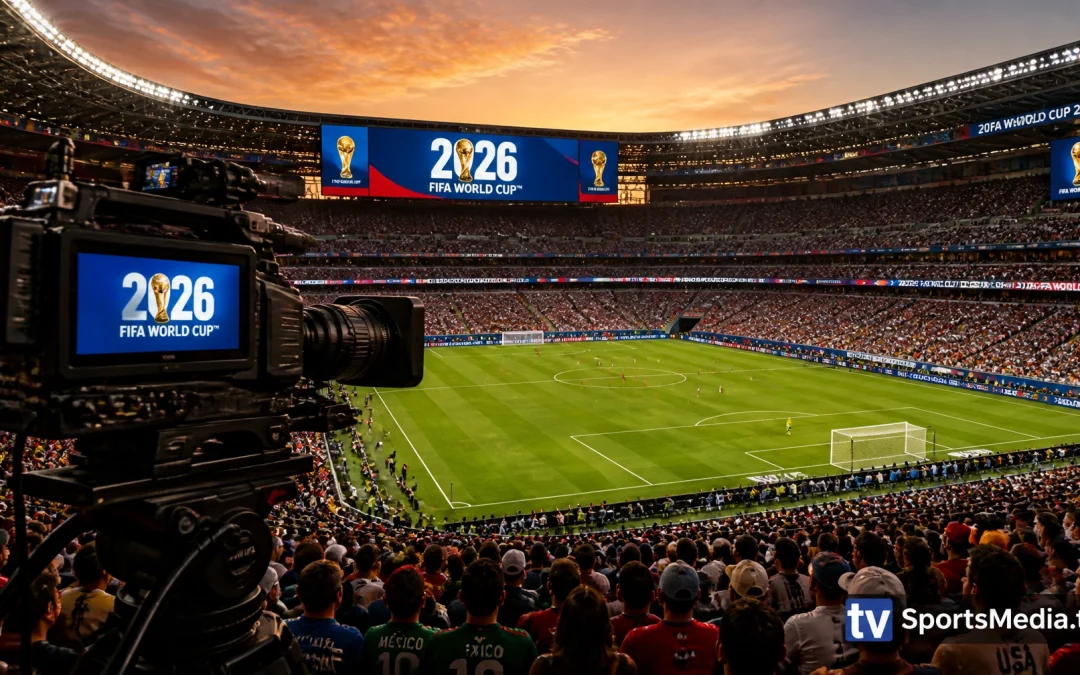
The sound of the 2026 FIFA World Cup is no longer a distant echo; it is now part of the daily buildup surrounding the tournament across North America. In May 2026, FIFA officially unveiled its multi-song soundtrack, moving beyond the traditional one-song model and creating a broader musical backdrop for the biggest event in world soccer. Central to that soundtrack are three tracks: "Dai Dai," "Illuminate," and "Goals."
Following the structure and emphasis outlined by Victoria Teresa Alescio, these songs are best understood not as side content, but as part of the event itself. They help shape the feeling around the tournament before kickoff, between matches, and across highlight packages, fan clips, and stadium moments. For sports media outlets such as SportsMedia.tv, that shift matters. The soundtrack is not just accompanying the World Cup atmosphere in 2026; it is actively helping define it.
What Makes "Dai Dai" the Definitive Global Anthem?
"Dai Dai," performed by popstars Shakira and Burna Boy and released on May 15, 2026, quickly moved into the center of the World Cup conversation. The track serves as the official theme for the FIFA Education Fund, but its wider impact comes from its pace, confidence, and instant stadium appeal. From the opening beat, the song feels built for entrances, highlight reels, and packed fan zones.
The production is bright, forceful, and easy to recognize within seconds. It pushes forward with a steady pulse that matches the speed and pressure of tournament football. Dr. Helena Vance, a musicologist specializing in global pop, said the song works because it feels familiar while still sounding current. "Shakira has a storied history with international soccer music, starting with 'Waka Waka' in 2010," Vance explains. "Her return creates a sense of continuity and evolution for the World Cup brand."
Visually, the music video leans into movement and momentum. The choreography is expansive, the pacing is quick, and the overall effect matches the urgency of a World Cup match. For sports broadcasters and digital publishers, "Dai Dai" functions as an energy source as much as a song, giving the 2026 tournament a sound that feels ready for global rotation. (Remember: High-energy tracks like this are your best bet for high-frequency TV spots where you need to grab attention in the first three seconds.)
How Does "Illuminate" Build Pre-Match Atmosphere?
The second pillar of the 2026 soundtrack is "Illuminate" by popstars Elyanna and Jessie Reyez, released on May 8, 2026. The track brings a lighter but still charged mood to the official music lineup, giving the tournament a song that feels ideal for opening sequences, crowd shots, and the minutes before kickoff.
"Illuminate" stands out for its balance of lift and control. The production has a clean, atmospheric build, then opens into a bigger, more celebratory sound. "We wanted a song that felt like the sunrise over a stadium," Reyez mentioned in a press statement. "It’s about the hope that comes before the first whistle."
That description matches the role the song now plays across the wider 2026 World Cup atmosphere. It carries anticipation without losing momentum. In sports media terms, it is the kind of track that fits naturally into pre-match packages, social clips, and branded tournament coverage. You need to look at "Illuminate" as a tool for emotional timing. It captures the moment just before the action begins: a prime spot for brands wanting to associate themselves with the optimism and potential of a new game day.
Why is "Goals" Considered the Boldest Collaboration of 2026?
Perhaps the most ambitious track on the 2026 official album is "Goals" by popstars LISA, Anitta, and REMA, released on May 21, 2026. It is the most direct of the three songs, leaning fully into speed, impact, and crowd-facing confidence.
The track is driven by high-tempo production and a visually striking music video built around movement, attitude, and fast-cut performance. Each section arrives with enough contrast to keep the song in motion, while the hook is built to land quickly in stadiums and across broadcast edits.
"The song is a statement of power," says Marcus Thorne, a sports marketing analyst. "It sounds designed for the biggest stage possible." The title works on two levels at once. It points to the objective on the field, but it also captures the wider ambition surrounding the event itself. In the 2026 World Cup media cycle, "Goals" feels engineered for moments of release: goals scored, crowds erupting, and highlight packages that need immediate force. Do not, I repeat, do not try to use a slow-tempo track for goal recaps; the audience expects the audio to match the adrenaline of the score.
How Is the Multi-Song Soundtrack Changing Fan Engagement?
The shift from a single anthem to a curated album represents a significant change in how sports media covers the event. Instead of relying on one track to carry the entire tournament, broadcasters and publishers can match different songs to different moments. That creates more opportunities for fan engagement across the full run of the competition.
For brands working with SportsMedia.tv, the advantage is clear. You can now align your brand’s "vibe" with specific parts of the game day experience.
- "Dai Dai" fits high-energy intros and mass-market crowd scenes.
- "Illuminate" works in anticipation-heavy buildouts and "Keys to the Match" segments.
- "Goals" lands best in explosive highlight packages and post-match recaps.
Together, the three songs give the tournament a more flexible sound profile than past World Cups. Their integration into digital platforms, from short-form clips to official playlists, also strengthens that effect. As fans attach these tracks to goals, reactions, and watch-party content, the songs become part of how the 2026 World Cup is remembered.
Strategic Media Buying: Aligning Sound with Placement
When you are planning a strategic sports marketing campaign, you must think about the auditory environment. Sound is not an afterthought; it is a driver of recall.
Follow these practical steps to ensure your media buy isn't clashing with the stadium's energy:
- Sync your creative to the broadcast flow. If your ad is airing during the pre-game "hype" reel, use the same atmospheric energy found in "Illuminate."
- Utilize high-impact inventory. Placing ads in exclusive sports inventory like locker rooms or stadium tunnels requires a sound that can cut through the ambient noise of the crowd.
- Avoid the generic. One of the biggest mistakes in sports TV advertising is using stock music that lacks the cultural relevance of the official soundtrack. Fans are tuned into these specific beats: use that to your advantage.
Back to Basics: Don't Ignore the Audio
It is easy to get caught up in the visuals of a stadium takeover or a network TV spot. But back to basics: the human brain processes sound faster than images. If your commercial has a disconnected soundtrack while "Dai Dai" is ringing through the stadium speakers, you lose the "Implied Sponsorship" effect. You want your brand to feel like a natural part of the FIFA ecosystem, not an intruder. (A quick tip: Always test your audio levels against typical stadium ambient noise to ensure your message is heard.)
Practical Takeaways for the 2026 Season
As the tournament progresses, the impact of these three tracks will likely grow. For fans and sports media professionals looking to stay ahead of the curve, here are the next steps:
- Watch how each song is used in coverage: Different tracks are already emerging as fits for intros, pre-match buildup, and highlight edits. Notice which ones get the most "airtime" during peak viewership.
- Explore the Official Album: "Illuminate" and "Goals" are only two parts of a larger 2026 soundtrack that includes other singles like "Lighter" and "Echo."
- Track fan response across platforms: Use social listening tools to see which songs are being used most in TikTok and Instagram reels. These are the sounds that will define the "after-market" of the World Cup.
The 2026 World Cup is proving that while soccer is the game played on the grass, music is the energy that fills the air. Through "Dai Dai," "Illuminate," and "Goals," the tournament has found a pulse that matches the speed, emotion, and spectacle of the month ahead.
If you're ready to place your brand in the heart of this energy, contact us today to discuss how we can get your message featured on major networks like ESPN, NBC, CBS, ABC, and Fox.
#SportsMediaTV #FIFA #FIFAWorldCup #Shakira #Anitta #Lisa #BurnaBoy #Elyanna #JessieReyez #Rema #Goals #DaiDai #Illuminate #SportsMarketing #MediaBuying #Mbappe
by Dan Kost, CEO | May 27, 2026 | Blog
By: Victoria Teresa Alescio
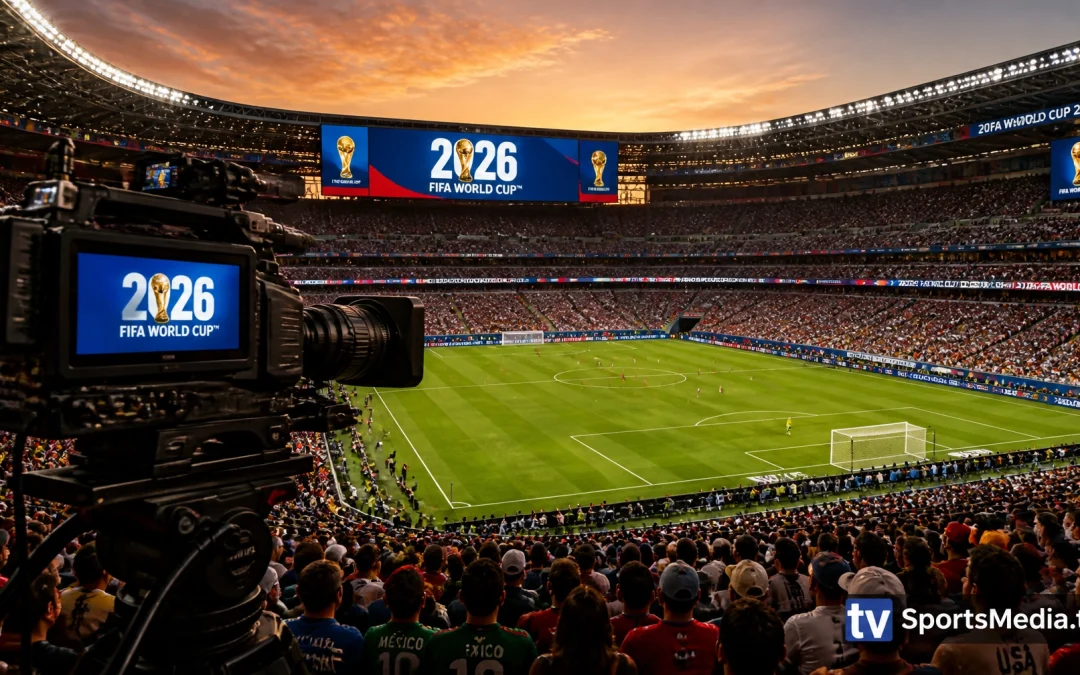
The sound of the 2026 FIFA World Cup is no longer a distant echo; it is now part of the daily buildup surrounding the tournament across North America. In May 2026, FIFA officially unveiled its multi-song soundtrack, moving beyond the traditional one-song model and creating a broader musical backdrop for the biggest event in world soccer. Central to that soundtrack are three tracks: "Dai Dai," "Illuminate," and "Goals."
Following the structure and emphasis outlined by Victoria Teresa Alescio, these songs are best understood not as side content, but as part of the event itself. They help shape the feeling around the tournament before kickoff, between matches, and across highlight packages, fan clips, and stadium moments. For sports media outlets such as SportsMedia.tv, that shift matters. The soundtrack is not just accompanying the World Cup atmosphere in 2026; it is actively helping define it.
What Makes "Dai Dai" the Definitive Global Anthem?
"Dai Dai," performed by popstars Shakira and Burna Boy and released on May 15, 2026, quickly moved into the center of the World Cup conversation. The track serves as the official theme for the FIFA Education Fund, but its wider impact comes from its pace, confidence, and instant stadium appeal. From the opening beat, the song feels built for entrances, highlight reels, and packed fan zones.
The production is bright, forceful, and easy to recognize within seconds. It pushes forward with a steady pulse that matches the speed and pressure of tournament football. Dr. Helena Vance, a musicologist specializing in global pop, said the song works because it feels familiar while still sounding current. "Shakira has a storied history with international soccer music, starting with 'Waka Waka' in 2010," Vance explains. "Her return creates a sense of continuity and evolution for the World Cup brand."
Visually, the music video leans into movement and momentum. The choreography is expansive, the pacing is quick, and the overall effect matches the urgency of a World Cup match. For sports broadcasters and digital publishers, "Dai Dai" functions as an energy source as much as a song, giving the 2026 tournament a sound that feels ready for global rotation. (Remember: High-energy tracks like this are your best bet for high-frequency TV spots where you need to grab attention in the first three seconds.)
How Does "Illuminate" Build Pre-Match Atmosphere?
The second pillar of the 2026 soundtrack is "Illuminate" by popstars Elyanna and Jessie Reyez, released on May 8, 2026. The track brings a lighter but still charged mood to the official music lineup, giving the tournament a song that feels ideal for opening sequences, crowd shots, and the minutes before kickoff.
"Illuminate" stands out for its balance of lift and control. The production has a clean, atmospheric build, then opens into a bigger, more celebratory sound. "We wanted a song that felt like the sunrise over a stadium," Reyez mentioned in a press statement. "It’s about the hope that comes before the first whistle."
That description matches the role the song now plays across the wider 2026 World Cup atmosphere. It carries anticipation without losing momentum. In sports media terms, it is the kind of track that fits naturally into pre-match packages, social clips, and branded tournament coverage. You need to look at "Illuminate" as a tool for emotional timing. It captures the moment just before the action begins: a prime spot for brands wanting to associate themselves with the optimism and potential of a new game day.
Why is "Goals" Considered the Boldest Collaboration of 2026?
Perhaps the most ambitious track on the 2026 official album is "Goals" by popstars LISA, Anitta, and REMA, released on May 21, 2026. It is the most direct of the three songs, leaning fully into speed, impact, and crowd-facing confidence.
The track is driven by high-tempo production and a visually striking music video built around movement, attitude, and fast-cut performance. Each section arrives with enough contrast to keep the song in motion, while the hook is built to land quickly in stadiums and across broadcast edits.
"The song is a statement of power," says Marcus Thorne, a sports marketing analyst. "It sounds designed for the biggest stage possible." The title works on two levels at once. It points to the objective on the field, but it also captures the wider ambition surrounding the event itself. In the 2026 World Cup media cycle, "Goals" feels engineered for moments of release: goals scored, crowds erupting, and highlight packages that need immediate force. Do not, I repeat, do not try to use a slow-tempo track for goal recaps; the audience expects the audio to match the adrenaline of the score.
How Is the Multi-Song Soundtrack Changing Fan Engagement?
The shift from a single anthem to a curated album represents a significant change in how sports media covers the event. Instead of relying on one track to carry the entire tournament, broadcasters and publishers can match different songs to different moments. That creates more opportunities for fan engagement across the full run of the competition.
For brands working with SportsMedia.tv, the advantage is clear. You can now align your brand’s "vibe" with specific parts of the game day experience.
- "Dai Dai" fits high-energy intros and mass-market crowd scenes.
- "Illuminate" works in anticipation-heavy buildouts and "Keys to the Match" segments.
- "Goals" lands best in explosive highlight packages and post-match recaps.
Together, the three songs give the tournament a more flexible sound profile than past World Cups. Their integration into digital platforms, from short-form clips to official playlists, also strengthens that effect. As fans attach these tracks to goals, reactions, and watch-party content, the songs become part of how the 2026 World Cup is remembered.
Strategic Media Buying: Aligning Sound with Placement
When you are planning a strategic sports marketing campaign, you must think about the auditory environment. Sound is not an afterthought; it is a driver of recall.
Follow these practical steps to ensure your media buy isn't clashing with the stadium's energy:
- Sync your creative to the broadcast flow. If your ad is airing during the pre-game "hype" reel, use the same atmospheric energy found in "Illuminate."
- Utilize high-impact inventory. Placing ads in exclusive sports inventory like locker rooms or stadium tunnels requires a sound that can cut through the ambient noise of the crowd.
- Avoid the generic. One of the biggest mistakes in sports TV advertising is using stock music that lacks the cultural relevance of the official soundtrack. Fans are tuned into these specific beats: use that to your advantage.
Back to Basics: Don't Ignore the Audio
It is easy to get caught up in the visuals of a stadium takeover or a network TV spot. But back to basics: the human brain processes sound faster than images. If your commercial has a disconnected soundtrack while "Dai Dai" is ringing through the stadium speakers, you lose the "Implied Sponsorship" effect. You want your brand to feel like a natural part of the FIFA ecosystem, not an intruder. (A quick tip: Always test your audio levels against typical stadium ambient noise to ensure your message is heard.)
Practical Takeaways for the 2026 Season
As the tournament progresses, the impact of these three tracks will likely grow. For fans and sports media professionals looking to stay ahead of the curve, here are the next steps:
- Watch how each song is used in coverage: Different tracks are already emerging as fits for intros, pre-match buildup, and highlight edits. Notice which ones get the most "airtime" during peak viewership.
- Explore the Official Album: "Illuminate" and "Goals" are only two parts of a larger 2026 soundtrack that includes other singles like "Lighter" and "Echo."
- Track fan response across platforms: Use social listening tools to see which songs are being used most in TikTok and Instagram reels. These are the sounds that will define the "after-market" of the World Cup.
The 2026 World Cup is proving that while soccer is the game played on the grass, music is the energy that fills the air. Through "Dai Dai," "Illuminate," and "Goals," the tournament has found a pulse that matches the speed, emotion, and spectacle of the month ahead.
If you're ready to place your brand in the heart of this energy, contact us today to discuss how we can get your message featured on major networks like ESPN, NBC, CBS, ABC, and Fox.
#SportsMediaTV #FIFA #FIFAWorldCup #Shakira #Anitta #Lisa #BurnaBoy #Elyanna #JessieReyez #Rema #Goals #DaiDai #Illuminate #SportsMarketing #MediaBuying
by Dan Kost, CEO | Nov 4, 2025 | Blog
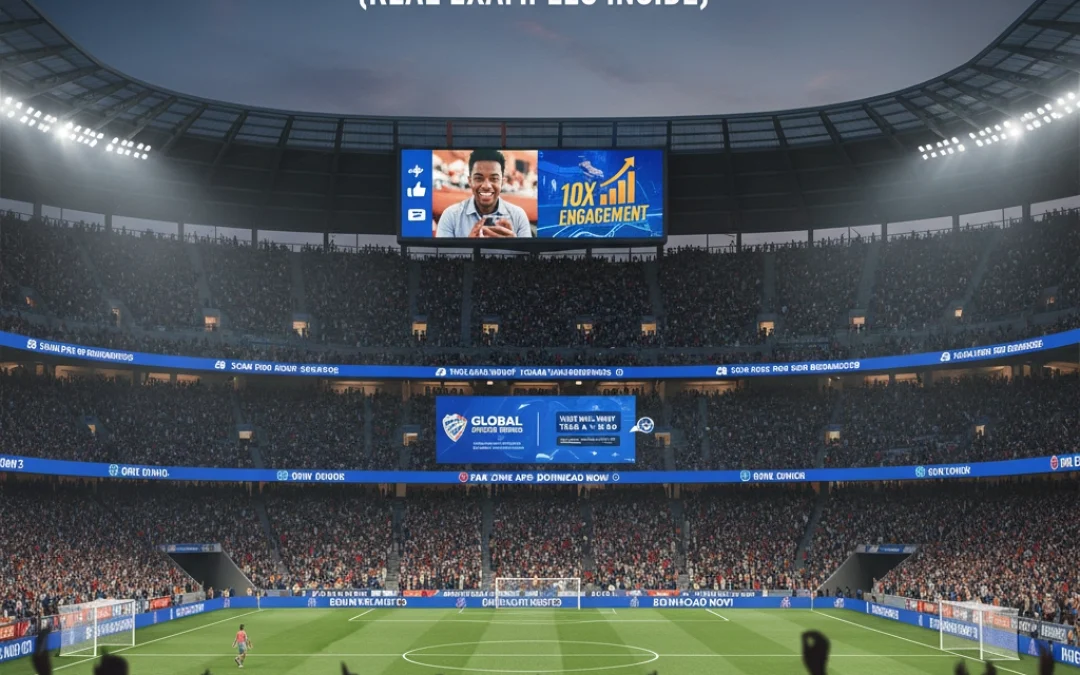
Stadium advertising has evolved far beyond simple banner displays and static signage. Today's most successful campaigns create immersive experiences that connect with fans wherever they are: in the venue, at home, or on their mobile devices. The brands achieving 10x engagement increases understand one critical truth: modern sports marketing requires treating fans as active participants, not passive observers.
Start with Multi-Platform Integration
Your campaign must work seamlessly across every touchpoint. When fans see your message on the stadium's digital displays, that same content should flow naturally to their phones, tablets, and home viewing experience. This integrated approach ensures maximum reach while creating consistent brand messaging that builds recognition and trust.
The most effective campaigns use television-style production values for all platforms. High-quality visuals and professional audio work equally well on 50-foot stadium screens and 6-inch smartphone displays. Remember: you're not just advertising to people in seats. You're reaching the millions watching from home, the fans checking scores on mobile apps, and the social media users sharing game highlights.
Leverage Real-Time Engagement Tactics

Smart brands tap into the live nature of sports to create immediate emotional connections. Content-driven campaigns that share behind-the-scenes footage and exclusive player interviews can boost fan interaction by 50% when timed correctly. The key lies in releasing this content during peak engagement moments: pre-game warmups, halftime, and post-victory celebrations.
Social media challenges work exceptionally well when integrated with stadium displays. Encourage fans to share photos wearing team colors or creating original cheers. Display the best submissions on venue screens during timeouts. This approach generates viral moments that extend your campaign's reach while increasing social media followers by 30%.
You must coordinate these campaigns across all viewing platforms. Fans at home should see the same social media integration through television graphics and mobile apps. This unified experience amplifies engagement by making every viewer feel part of the live stadium atmosphere.
Implement Gamification Strategies That Work
Transform passive viewing into active participation through carefully designed gamification. Apps that allow fans to compete in trivia, make game predictions, or earn points for attendance increase in-app engagement time by 35%. The secret lies in creating reward systems that drive real business results: merchandise discounts, exclusive access, or priority ticket purchasing.
Design games that work for both in-venue and remote audiences. Stadium fans can use their phones to participate while watching the action live. Home viewers access the same experiences through connected TV apps or second-screen experiences. This parallel engagement keeps all fans equally invested regardless of their viewing location.
Connect these gaming elements to Sportrons.com for extended engagement opportunities. Fans can continue earning points, accessing exclusive content, and participating in challenges between games. This approach maintains momentum during off-seasons and builds lasting brand relationships.
Master Community-Driven Content Creation
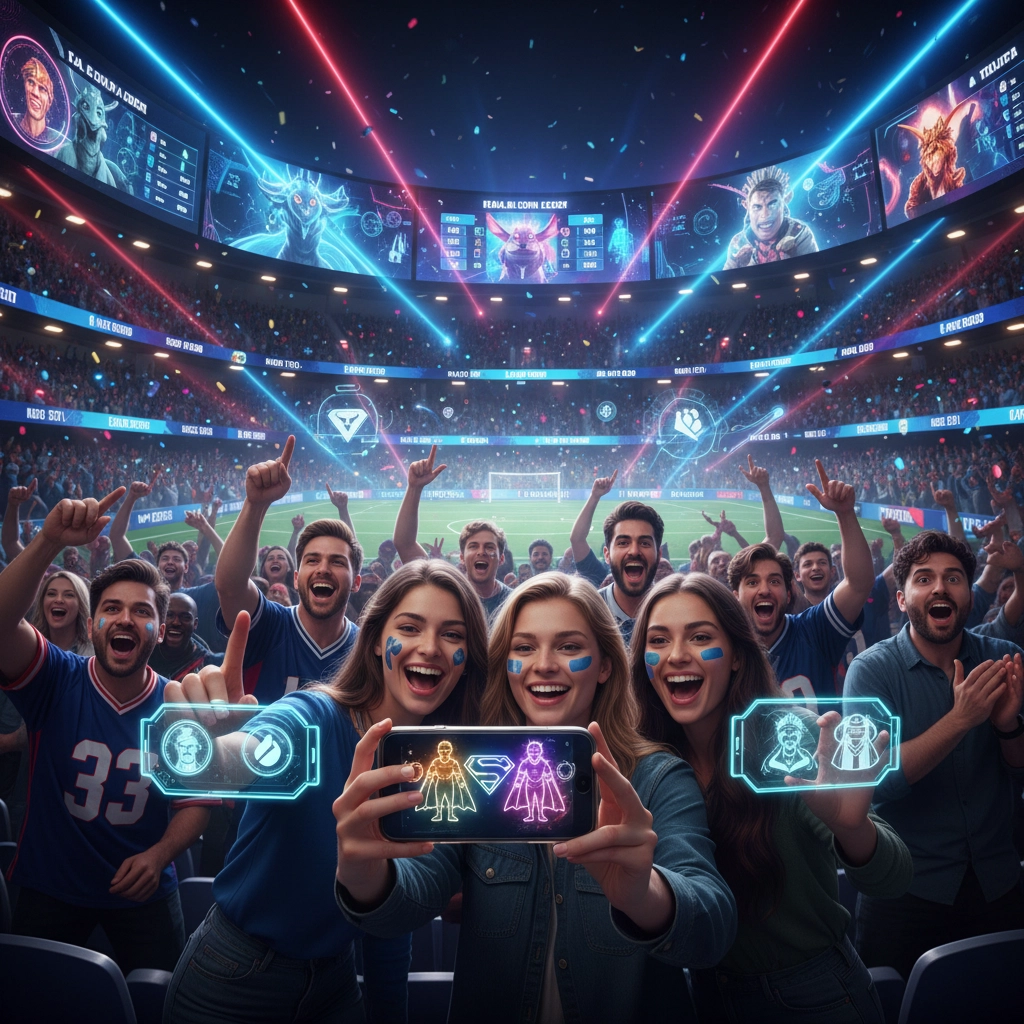
Stop broadcasting to your audience: start creating with them. Fan councils that provide input on promotions, merchandise, and stadium policies transform customers into stakeholders. These small groups generate invaluable insights while making supporters feel genuinely valued beyond their ticket purchases.
Content co-creation programs featuring fan-submitted videos and photos build authentic two-way communication. Display user-generated content on stadium screens during games and share it across television broadcasts. This strategy works because it celebrates fans while creating shareable content that feels genuine rather than corporate.
Support local fan groups through watch parties and regional events. These grassroots connections create sustained engagement that extends far beyond individual games. For television advertisers, these community hubs provide authentic local market penetration opportunities that traditional advertising cannot match.
Harness Technology for Interactive Experiences
Augmented reality installations create memorable moments that fans actively seek out and share. AR photo booths with team-branded filters drive 40% more social media mentions while providing measurable campaign tracking through app downloads and usage data. These installations work equally well for stadium visitors and can be recreated for home viewers through mobile apps.
Smart stadium infrastructure enables dynamic advertising that responds to game situations in real-time. When your team scores, advertisements can instantly shift to celebration themes. During timeouts, they can promote concessions or merchandise. This contextual relevance keeps messages fresh and engaging throughout the entire game experience.
Remember that home viewers need equivalent interactive opportunities. Connected TV applications and mobile apps should offer parallel AR experiences, real-time polling, and instant access to the same promotional offers available in-venue. This parity ensures no fan feels like a second-class participant.
Use Data to Personalize Every Touchpoint
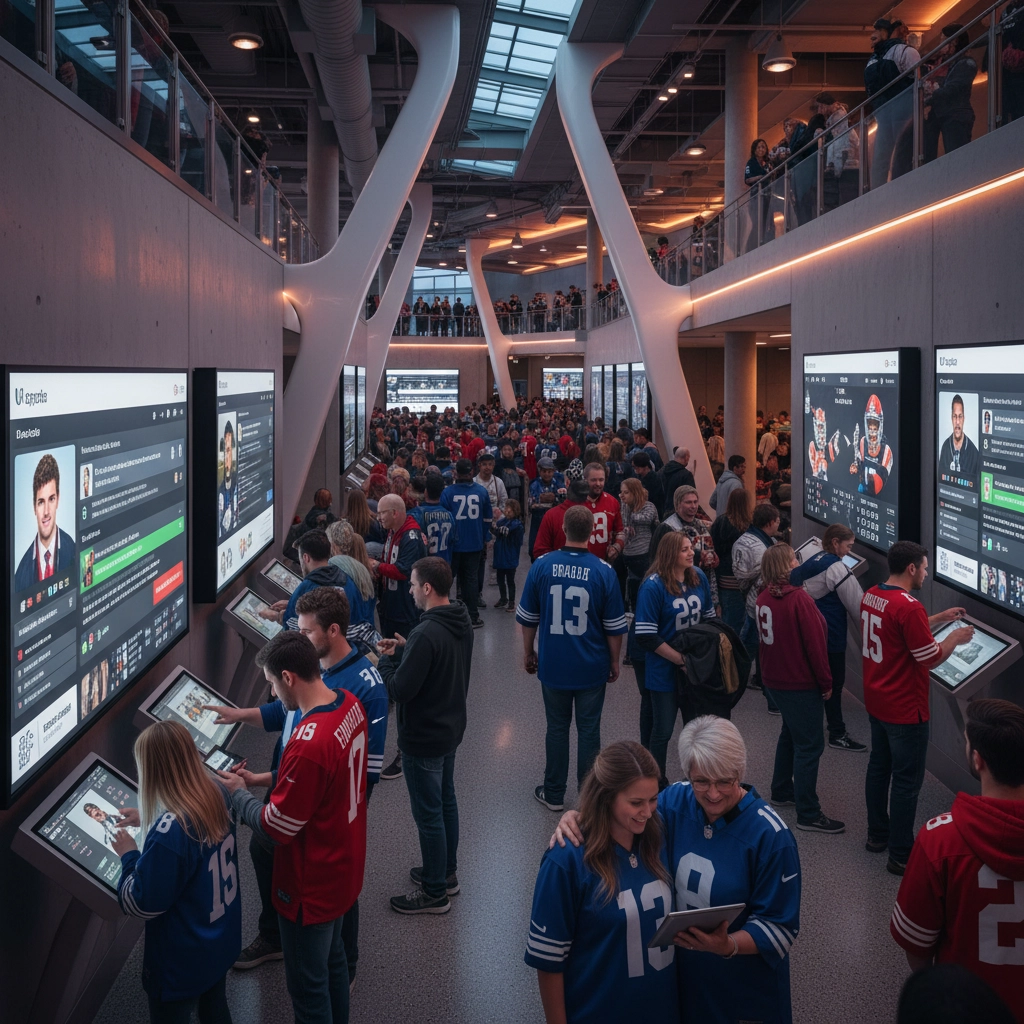
Loyalty programs with tiered benefits improve fan retention by 25% when properly executed. Use data from ticket scans, app usage, and social media interactions to create personalized experiences. Send targeted notifications about upcoming events, exclusive merchandise, or special access opportunities based on individual fan behavior patterns.
Dynamic revenue generation comes from understanding fan preferences across all platforms. Premium experiences like VIP access and exclusive content contribute significantly to total revenue, especially when promoted through targeted campaigns. Email campaigns promoting these premium options boost sales by 20% when properly segmented and timed.
Predictive analytics help optimize campaign timing and messaging. AI systems can identify the best moments to promote merchandise, when to launch social media challenges, and which fans are most likely to respond to specific offers. This data-driven approach ensures your advertising spend generates maximum return across all platforms.
Execute Multi-Screen Campaign Coordination
Your television-style advertising approach must account for the multiple screens fans use simultaneously. Stadium attendees often have their phones out during games, while home viewers frequently use tablets or smartphones alongside television viewing. Design campaigns that leverage this multi-screen behavior rather than competing against it.
Create complementary experiences across platforms. When stadium screens show an advertisement, mobile apps can offer immediate purchasing options or additional product information. Television viewers should see enhanced graphics and calls-to-action that drive them to digital platforms for deeper engagement.
Coordinate timing across all platforms to maximize impact. A coordinated push across stadium displays, television commercials, and mobile notifications creates amplified awareness that drives immediate action. This synchronized approach can generate response rates 300% higher than single-platform campaigns.
Build Sustainable Engagement Systems
Focus on creating campaigns that build momentum over time rather than generating one-time spikes. Successful stadium advertising creates ongoing relationships that extend throughout entire seasons and beyond. Use exclusive content, progressive rewards, and community building to maintain engagement during off-seasons.
Track engagement metrics across all platforms to understand which elements drive the most valuable fan actions. App downloads, social media shares, merchandise purchases, and repeat attendance all indicate successful engagement that translates to business results.
Remember that sustainable engagement requires consistent value delivery. Fans must receive genuine benefits from participating in your campaigns: whether through exclusive access, valuable content, or meaningful rewards. This value-first approach ensures long-term success across all advertising platforms and viewer segments.
The brands achieving 10x engagement increases understand that modern sports marketing requires seamless integration across every fan touchpoint. By combining strategic technology use with authentic community building and data-driven personalization, your campaigns can transform passive viewers into active brand advocates who drive measurable business results.
by Dan Kost, CEO | Oct 18, 2025 | Blog
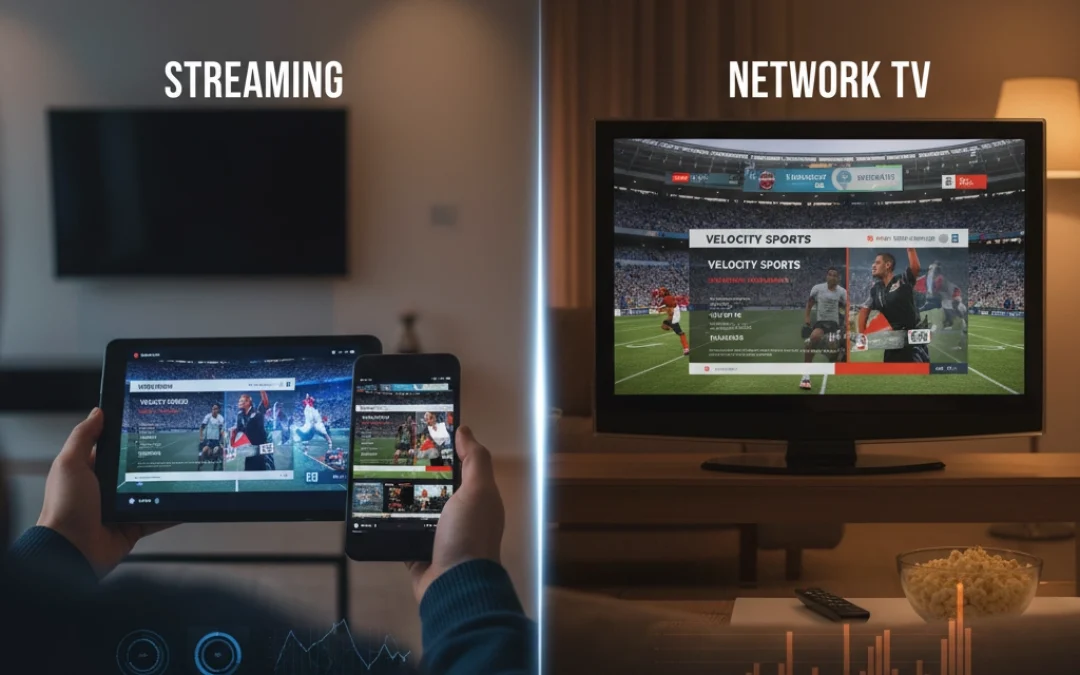
You're sitting there with your sports advertising budget, wondering where to put your money for maximum impact. Network TV or streaming? The answer isn't as straightforward as the industry wants you to believe, and it's exactly why smart brands are turning to hybrid approaches that blend the best of both worlds.
At SportsMedia.tv, we've seen countless campaigns succeed and fail across both platforms. Here's what the numbers actually tell us about ROI, and more importantly, how you can use this data to make decisions that drive real results.
The Network TV Powerhouse: Mass Reach That Still Delivers
Network television isn't dead, it's just misunderstood. When you look at the raw ROI numbers, traditional TV advertising delivers an impressive $4.90 in revenue for every dollar spent. But here's where it gets interesting: properly optimized TV campaigns can push that return between 300-500% ROI, significantly outperforming most digital alternatives.
The reason? Sustained attention and credibility. When sports fans are watching live games on network TV, they're locked in. No scrolling, no second-screening (well, mostly), just focused engagement with your brand message. This translates to TV contributing 18% toward overall sales impact compared to digital channels at 11%.
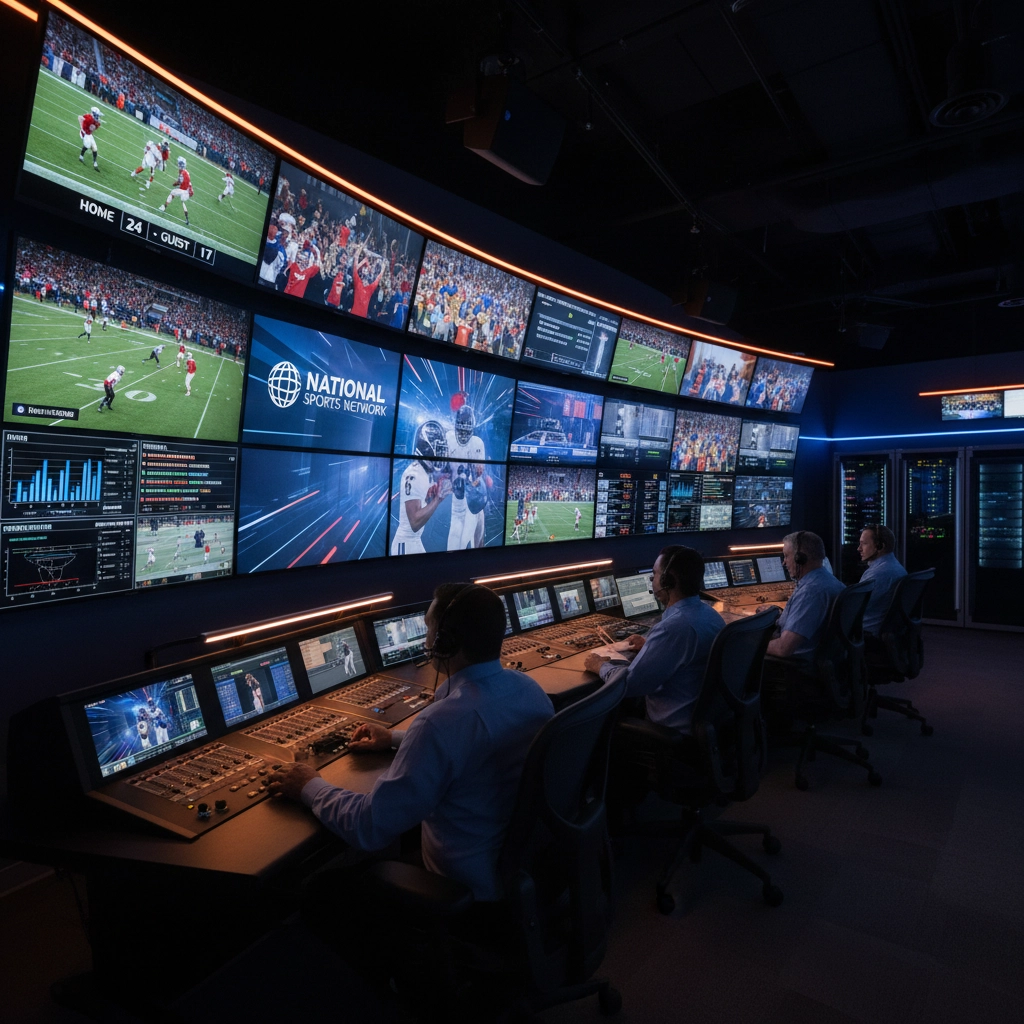
Network TV's mass reach creates something digital struggles to replicate: universal brand recognition. When your ad runs during a major sporting event, you're not just reaching your target demographic: you're becoming part of the cultural conversation. That water cooler effect still matters, especially for brands building long-term equity.
But let's be honest about the downsides. Network TV requires substantial minimum budgets that can strain smaller campaigns. The targeting is broad-brush at best, and measuring direct response proves challenging compared to digital's granular analytics.
Streaming's Precision Game: Targeted Efficiency at Scale
Streaming platforms flip the script entirely. Instead of mass reach, you get surgical precision in targeting sports fans based on viewing habits, demographics, and real-time behavior. The cost efficiency is undeniable: streaming typically offers lower CPMs with the flexibility to adjust budgets on the fly.
Here's what streaming does exceptionally well: engagement rates. Viewers actively choose their content, creating a more receptive environment for advertising. Interactive ad formats like clickable overlays can drive immediate action, something network TV simply cannot match.
The real-time optimization capabilities of streaming platforms give you unprecedented control. Campaign performing poorly during the first quarter? Adjust creative, targeting, or budget allocation before halftime. This agility translates to better ROI optimization throughout the campaign lifecycle.
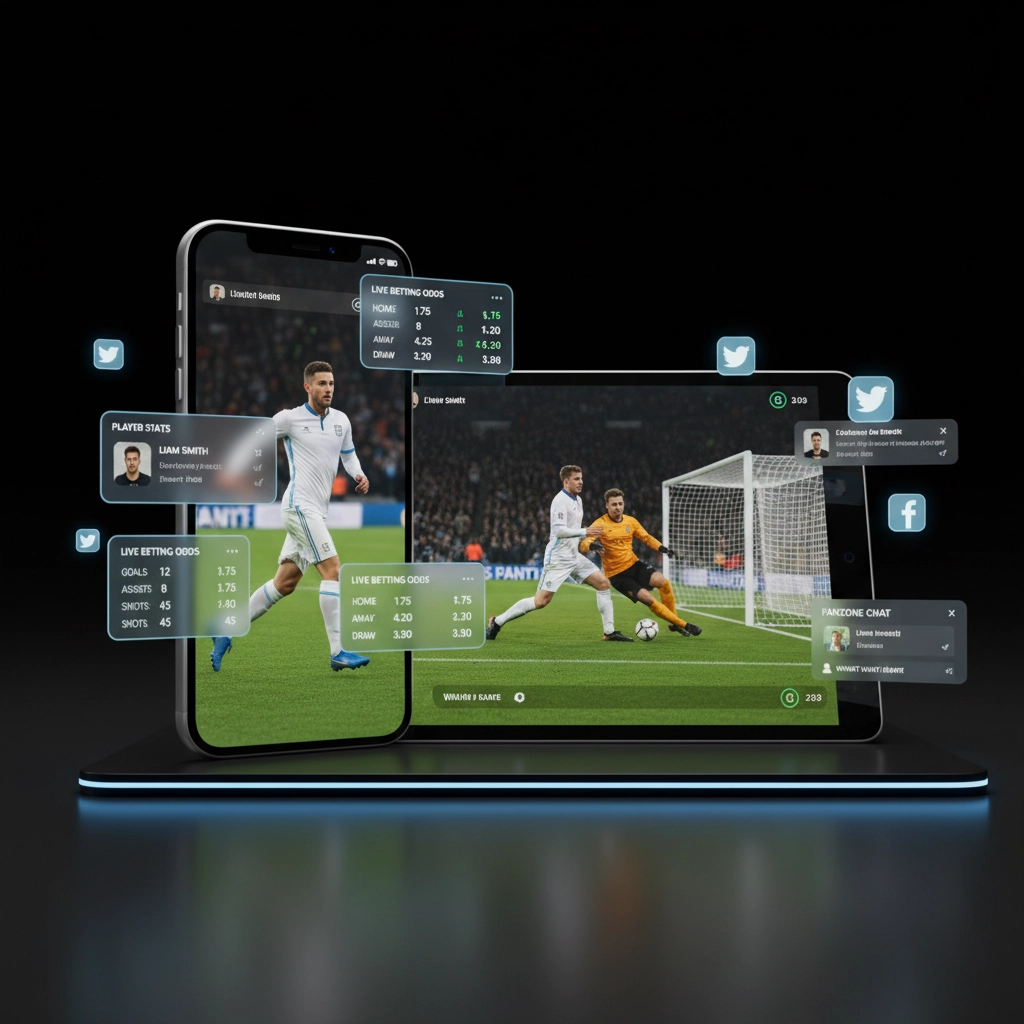
Streaming also delivers detailed performance analytics that make network TV's measurement look primitive. You can track views, completion rates, clicks, conversions, and attribute revenue directly to specific ad placements. For performance-driven campaigns, this transparency is invaluable.
The trade-off? Smaller audience reach, especially for major sporting events where network TV still dominates viewership numbers. You might achieve better efficiency, but at the cost of overall scale.
The ROI Reality Check: What the Numbers Actually Show
Let's cut through the marketing spin and look at hard data. Recent analysis shows that when 60% of video campaign budget goes to traditional broadcaster inventory, total campaign ROI can reach 250%. This isn't an accident: it's the result of TV's broad reach amplifying the precision of digital touchpoints.
Here's the breakdown that matters:
- Average TV ROI: $13.23 per dollar spent
- Average digital video ROI: $9.54 per dollar spent
- Impact of removing TV: 18% decrease in overall campaign ROI
But streaming isn't just sitting there taking losses. When optimized correctly, streaming can achieve 2.5x higher ROI than broadcast TV: the key is proper budget allocation and campaign structure.

SportsMedia.tv's Unique Position: Bridging Both Worlds
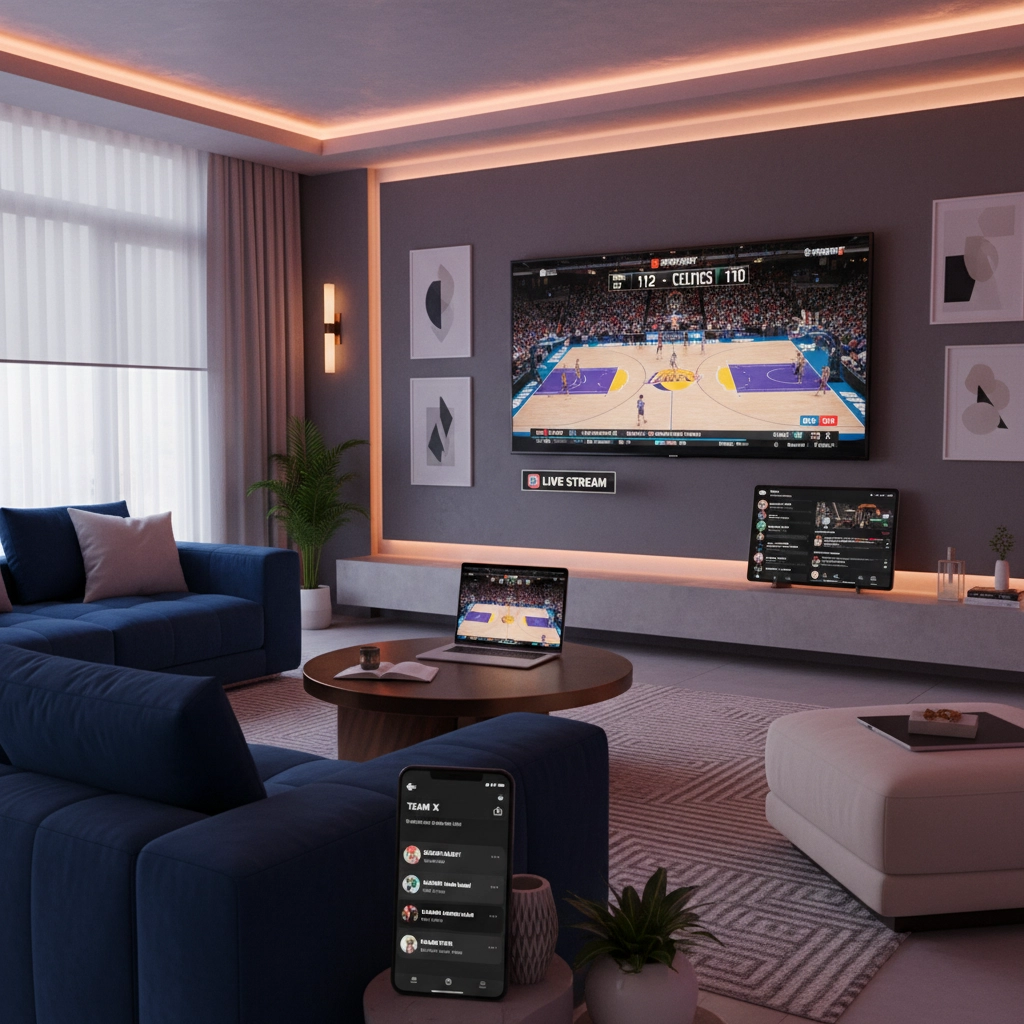
Here's where traditional thinking breaks down: you don't have to choose between network TV and streaming. At SportsMedia.tv, we've developed what we call "digital advertising television style": campaigns that leverage TV's credibility and reach while incorporating streaming's precision and measurement capabilities.
Our approach recognizes that sports fans aren't confined to single platforms. They're watching games on network TV, checking highlights on their phones, following teams on social media, and streaming content across devices. Your advertising strategy needs to meet them wherever they are.
Through our partnership with Sportrons.com, we also support institutional activities that create deeper connections between brands and sports communities. This institutional support amplifies both TV and streaming campaign effectiveness by building authentic relationships within the sports ecosystem.
Strategic Budget Allocation: The 60/40 Rule That Works
Based on extensive campaign analysis, here's the allocation strategy that consistently delivers maximum ROI:
60% Network TV / 40% Streaming for campaigns focused on brand awareness and broad reach. This combination captures TV's mass appeal while using streaming for retargeting and conversion optimization.
40% Network TV / 60% Streaming for performance-driven campaigns where precise measurement and cost efficiency take priority. This approach maintains TV's credibility boost while maximizing streaming's targeting capabilities.
The key is avoiding the all-or-nothing mentality. Campaigns that go 100% network TV miss out on streaming's precision and cost efficiency. Go 100% streaming, and you sacrifice TV's sustained ROI effects and brand-building power.
Platform-Specific Optimization Strategies
For Network TV Success:
Focus on premium time slots during live sporting events where attention is highest. Create memorable, brand-focused creative that builds long-term equity rather than pushing immediate conversion. Use network TV to establish brand credibility and awareness that supports all other marketing efforts.
For Streaming Success:
Leverage advanced targeting options to reach specific fan segments: fantasy players, season ticket holders, merchandise buyers. Create multiple creative versions for A/B testing and use interactive elements to drive immediate engagement. Optimize in real-time based on performance data.
For Integrated Campaigns:
Use network TV to create broad awareness, then retarget engaged viewers through streaming platforms with conversion-focused messages. This sequential approach maximizes both reach and efficiency while providing clear attribution pathways.
Making the ROI Decision: Your Next Steps
Your choice between network TV and streaming shouldn't be either/or: it should be about strategic integration that maximizes total campaign ROI. Start by defining your primary objectives: building brand awareness, driving immediate conversions, or achieving long-term market position.
For most sports brands, the highest ROI comes from hybrid approaches that leverage each platform's strengths. Network TV builds the foundation of credibility and mass awareness, while streaming provides the precision and measurement needed to optimize performance and drive conversions.

Remember: the platforms that reach sports fans are constantly evolving, but the fundamentals of effective advertising remain constant. Focus on reaching your audience where they're most engaged, with messages that resonate, using budgets that allow for proper testing and optimization.
At SportsMedia.tv, we help brands navigate this complexity by creating campaigns that work across all platforms: from stadium displays to streaming services to traditional network broadcasts. The goal isn't picking the right platform; it's building integrated strategies that maximize ROI across every touchpoint.
Ready to optimize your sports advertising ROI? Contact us to discuss how hybrid TV and streaming strategies can transform your campaign performance while staying within budget constraints that actually make sense for your business.

Recent Comments