by Dan Kost, CEO | Aug 18, 2025 | Blog
Sports TV advertising isn't what it used to be. Today's landscape spans from traditional television broadcasts to digital streaming platforms, reaching fans wherever they consume content: at home on their couch, in the stadium on their phones, or streaming on their computers during lunch breaks. Yet many advertisers still approach sports advertising with outdated strategies that waste budget and miss opportunities.
You're competing for attention in an environment where 97% of sports programming runs on cable networks, not major broadcast channels. Sports fans consume content across multiple touchpoints, and successful campaigns must account for this reality. The mistakes outlined below cost advertisers millions annually in missed opportunities and inefficient spending.
Mistake #1: Assuming Network TV Is Your Only Option
Most advertisers believe they need to advertise during prime network games to reach sports audiences effectively. This misconception drives up costs while limiting reach potential.
Here's the reality: 97% of all sports programming actually runs on cable networks. While everyone fights for expensive spots during Sunday Night Football, you're missing vast audiences watching ESPN, Fox Sports 1, and regional sports networks at fraction of the cost.
The fix: Diversify your sports media strategy beyond marquee network games. Cable sports programming delivers highly engaged audiences with less competition for ad inventory. Regional sports networks particularly offer excellent targeting opportunities for local businesses and brands seeking specific geographic reach.
Consider cable sports programming as your foundation, not your fallback option. You'll achieve better cost efficiency while reaching audiences just as passionate about sports content.
Mistake #2: Ignoring "Game Around the Game" Programming
You're missing two-thirds of available sports content if you only focus on live games. Sports fans don't just watch the action: they consume everything surrounding it.
Pre-game shows, post-game analysis, sports talk radio, and commentary programs account for over one-third of all cable sports viewing. During major events like the NBA Finals, 68% of viewers who tune into ESPN before or after the main event also watch the actual game.
The fix: Expand your advertising to include sports news, analysis shows, and commentary programming. These slots often cost significantly less than live game inventory while reaching much of the same audience. Sports talk shows particularly offer opportunities for longer-form advertising integration and sponsorship opportunities.
Map out the entire sports content ecosystem around your target events, not just the games themselves. This approach dramatically expands your available inventory while maintaining audience quality.
Mistake #3: Launching Campaigns Without Clear Objectives
Too many sports advertising campaigns launch without specific, measurable objectives. Without knowing whether you're prioritizing brand awareness, direct sales, attendance, or lead generation, your messaging becomes unfocused and unmeasurable.
Generic objectives like "increase visibility" or "reach sports fans" provide no foundation for creative development or performance measurement. You can't optimize what you can't measure clearly.
The fix: Define one primary objective before developing creative or purchasing media. Are you driving immediate revenue, building long-term brand awareness, or generating leads for future conversion? While these goals aren't mutually exclusive, prioritizing them shapes everything from creative messaging to channel selection.
Create specific, measurable goals tied to business outcomes. Instead of "increase brand awareness," target "achieve 15% unaided brand recall among target demographic within 90 days." This specificity guides both creative development and media planning decisions.

Mistake #4: Using One-Size-Fits-All Audience Targeting
Sports fans aren't a monolithic group, yet many advertisers treat them as such. A 25-year-old fantasy football enthusiast consumes content differently than a 55-year-old NASCAR fan. Generic messaging rarely resonates effectively with anyone.
Broad targeting wastes budget on irrelevant audiences while missing opportunities to connect deeply with your ideal customers. Different sports attract different demographics, viewing habits, and consumption patterns.
The fix: Develop detailed audience personas based on actual data, not assumptions. Research which sports your target demographic prefers, when they watch, and how they consume content. College football fans behave differently than NBA fans, who behave differently than soccer enthusiasts.
Segment your campaigns by sport, demographic, and consumption pattern. A financial services company might target NFL fans differently than golf viewers, adjusting both creative messaging and media placement accordingly. Use data from platforms like Sportrons.com to understand viewing patterns and preferences more precisely.
Mistake #5: Poor Channel and Time Slot Selection
Choosing wrong channels and broadcasting times can doom well-crafted campaigns. Different channels attract different demographics, and broadcasting times determine who sees your advertisements.
Many advertisers select channels based on name recognition rather than audience alignment. Broadcasting during wrong time slots: when your target audience isn't watching: wastes budget regardless of creative quality.
The fix: Match channel selection with actual audience viewing patterns, not assumptions. Research which channels your target demographic watches and when they're most active. National channels provide broader reach, while regional channels offer more targeted, often more affordable access to local audiences.
Consider both traditional TV viewing and digital consumption patterns. Sports fans increasingly watch content across devices, streaming games on phones while at work or viewing highlights on computers. Your media strategy should account for this multi-platform consumption behavior.
Mistake #6: Overemphasizing Direct Sales Messages
Constantly pushing sales and promotions in sports advertising creates fan fatigue and reduces authenticity. Sports fans value genuine engagement over persistent sales pitches, and overly promotional content can damage long-term brand relationships.
Sports audiences are particularly sensitive to authentic versus manufactured content. They can spot inauthentic messaging immediately and will tune out brands that prioritize selling over community engagement.
The fix: Balance promotional content with brand-building and community-focused messaging. Mix sales-driven advertisements with behind-the-scenes content, community involvement stories, and genuine fan engagement initiatives.
Sports advertising works best when it feels like part of the sports experience, not an interruption. Consider sponsorship opportunities, athlete partnerships, or community involvement that creates positive brand associations beyond direct product promotion.
Focus on building relationships first, sales second. This approach creates stronger long-term customer value and more sustainable advertising effectiveness.
Mistake #7: Confusing Quantity with Quality
Broadcasting more advertisements doesn't automatically improve campaign performance. Many advertisers believe higher ad frequency equals better results, leading to poor placement decisions and budget waste.
A campaign with 100 spots on poorly targeted channels often delivers lower gross rating points than 20 strategically placed advertisements on channels that properly cover your target audience. Raw spot count means nothing without proper targeting.
The fix: Focus on gross rating point efficiency rather than total advertisement count. Evaluate campaigns based on cost per GRP and audience coverage quality, not volume metrics.
Analyze your GRP costs to identify most cost-effective placements delivering strongest audience coverage within your target demographic. Strategic placement often outperforms high-volume campaigns with poor targeting.
Quality targeting beats quantity every time. Better to reach your ideal audience three times effectively than reach random viewers ten times unsuccessfully.

Moving Forward With Smarter Sports Advertising
Sports TV advertising success requires understanding that today's sports fans consume content across multiple platforms and touchpoints. They watch games at home, check scores on phones, stream highlights on computers, and engage with sports content throughout their day.
Your advertising strategy must account for this multi-platform reality while avoiding the common mistakes that waste budget and miss opportunities. Focus on strategic placement over volume, authentic engagement over constant selling, and precise targeting over broad reach.
The integration opportunities through platforms like Sportrons.com provide additional touchpoints for reaching sports fans in institutional and community settings, expanding your reach beyond traditional broadcast advertising.
Remember: sports fans are passionate, engaged audiences who reward authentic brands that understand their community. Get the fundamentals right: clear objectives, proper targeting, strategic placement: and your sports advertising will deliver measurable results that justify investment.
Start by auditing your current approach against these seven mistakes. Identify which errors you're making, implement the fixes systematically, and watch your sports advertising effectiveness improve dramatically.
by Dan Kost, CEO | Jul 18, 2025 | Blog
Sports sponsorships aren't dead: they're transforming faster than a NASCAR pit stop. The global sports sponsorship market is projected to surpass 45 billion CHF in 2025, representing an 8% increase from 2024. But here's the catch: traditional logo placement is becoming as outdated as flip phones.
Smart brands are abandoning the "slap our logo on everything" approach and embracing sophisticated strategies that reach fans wherever they are: in stadiums, at home on their TVs, streaming on their phones, or engaging on their computers. You need to understand this shift or risk watching your competitors lap you.
The Death of Simple Logo Placement
Logo placement worked when fans had limited viewing options and fewer distractions. In 2025, that static approach fails because modern sports fans consume content across multiple platforms simultaneously. They're watching the game on TV while checking social media on their phone and tracking fantasy stats on their tablet.
Traditional sponsorship focused on brand exposure through static placements. Today's winning brands create dynamic, interactive experiences that engage audiences across every touchpoint where fans consume sports content.

Your logo on a stadium wall reaches fans in the venue. But what about the millions watching at home? What about fans consuming highlights on TikTok later that night? Smart brands design integrated campaigns that follow fans across all these channels.
Data-Driven Precision Replaces Gut-Feel Decisions
Stop making sponsorship decisions based on "it feels right." The era of gut-feel sponsorship has ended, replaced by ultra-personalized, AI-driven campaigns that target fans with content tailored to their specific preferences.
Brands now demand clear performance indicators:
- Views across all platforms (TV, streaming, mobile, desktop)
- Engagement rates on social media
- Direct sales impact from campaigns
- Lead generation from activations
- Cross-platform reach metrics
Rights holders are implementing real-time analytics coupled with hyper-personalized advertising to enhance fan targeting. Smart stadiums use Wi-Fi sensors and mobile apps to gather detailed data on spectator behavior, enabling partners to personalize experiences in real-time.
Picture this: A fan walks past a concession stand, and their phone receives a targeted coupon based on their purchase history and current location. That's precision marketing that extends your reach beyond traditional TV advertising into the venue experience.
Three Game-Changing Trends You Cannot Ignore
Women's Sports: Your Untapped Goldmine
Global interest in women's sports has surged from 45% in 2022 to 50% in 2024. This isn't corporate social responsibility anymore: it's a genuine growth driver with massive advertising opportunities.
The WNBA exemplifies this momentum with a 31% fan base increase over two years and television audiences growing by 201% in 2024. Companies investing in women's sports sponsorships are accessing highly engaged audiences at a fraction of men's sports costs.
Remember: Early movers in women's sports sponsorship are securing premium positioning before prices increase to match demand.
Phygital Activations Bridge Every Channel

Technology is transforming fan engagement through immersive experiences powered by virtual reality, augmented reality, hybrid broadcasts, and sports metaverses. Virtual overlay technology allows digital ad boards to be switched in real-time by geography or viewer profile.
This means smaller advertisers can run highly targeted, short-term campaigns that reach specific demographics watching on different devices. Your message changes based on whether fans are watching on traditional TV, streaming platforms, or mobile apps.
Content Creation Over Event Interruption
Fan consumption patterns have shifted dramatically. Gen Z and Gen Alpha prefer TikTok highlights, YouTube recaps, and streaming documentaries over full matches. This media fragmentation creates new opportunities for sponsors to embed messages within these formats rather than around single live events.
The success of the Tech Golf League (TGL) illustrates this hybrid appeal, attracting 32% of 18-34-year-old viewers who don't typically follow the PGA Tour. Smart brands become content creators, accompanying fans before, during, and after events across their preferred channels.
Building Authentic Partnerships That Matter
Cause-Driven Sponsorships Connect Emotionally
Modern audiences seek authenticity. Partnerships focusing on sustainability, diversity, and community involvement gain significant traction among socially conscious fans. These authentic connections create deeper emotional bonds than traditional logo placements ever could.
Your sponsorship strategy should align with social values that matter to your target demographic. This approach builds lasting relationships instead of fleeting brand recognition.
Digital-First Strategies Expand Your Reach
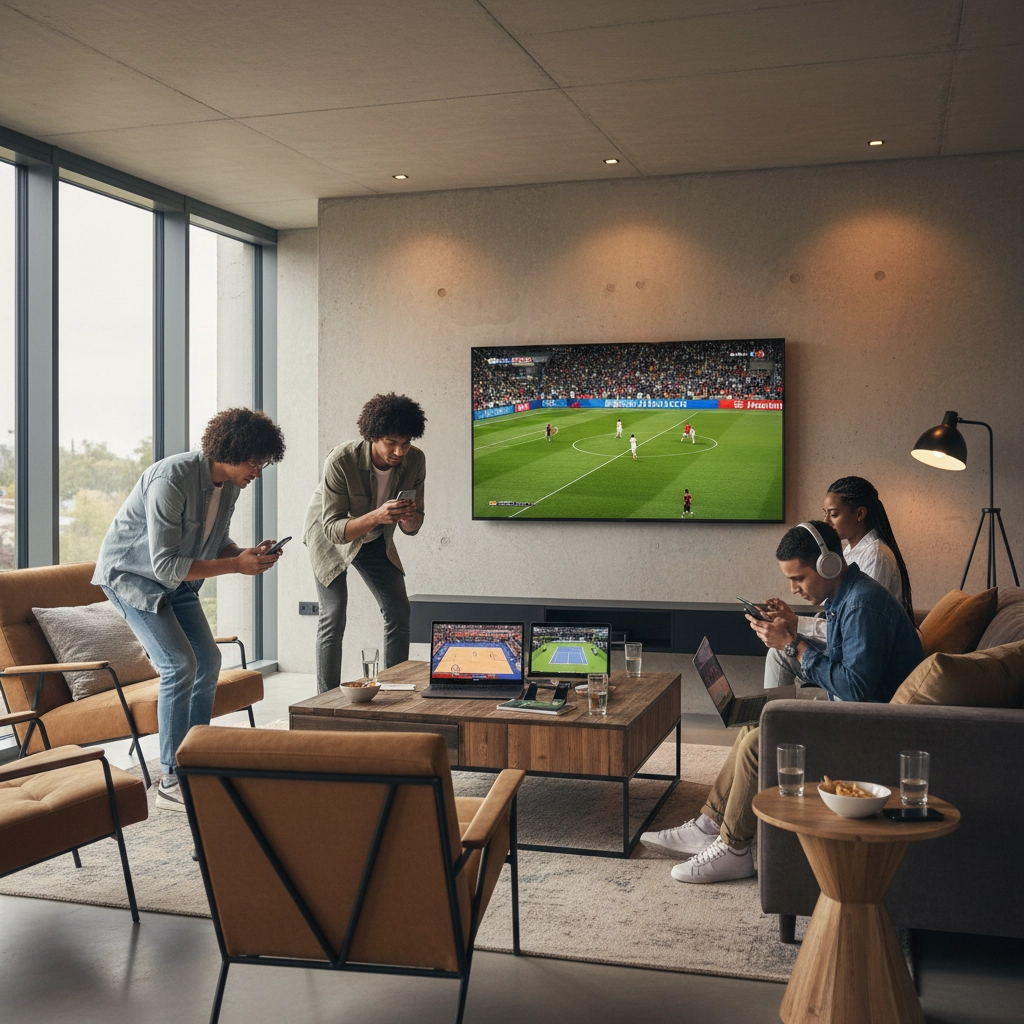
The expansion into e-sports and influencer collaborations effectively reaches younger and tech-savvy demographics. Brands are becoming true sports content producers, creating engaging material that fans actively seek out rather than passively encounter.
This approach transforms sponsors from advertisers into entertainment providers, significantly increasing engagement and brand affinity.
How SportsMedia.tv Maximizes Your Multi-Platform Reach
The transformation in sports sponsorship requires expertise in television advertising that reaches sports fans across every device and location. At SportsMedia.tv, we understand that modern sports marketing isn't just about TV commercials during games: it's about creating integrated campaigns that follow fans from the stadium to their living room to their mobile device.
Our approach combines traditional television advertising power with digital precision targeting. We help brands reach fans watching on big-screen TVs at home, streaming on tablets, checking scores on phones, and engaging on computers. This comprehensive strategy ensures your message connects with sports fans regardless of how they consume content.
For institutional activities, our partnership with Sportrons.com provides additional opportunities to engage sports audiences through educational and community-focused initiatives. This extension allows brands to build deeper connections with sports fans beyond traditional advertising moments.

Your 2025 Sports Sponsorship Action Plan
Start by auditing your current sponsorship portfolio. Are you still relying primarily on logo placement? If so, you're missing enormous opportunities to engage modern sports fans.
Immediate steps to take:
-
Demand data analytics from all sponsorship partners. Require real-time metrics across TV, streaming, and digital platforms.
-
Diversify your media mix. Combine traditional TV advertising with targeted digital campaigns that follow fans across devices.
-
Test women's sports opportunities. The growth trajectory offers exceptional value for early movers.
-
Integrate content creation into your sponsorship strategy. Become a content producer, not just an advertiser.
-
Embrace cause-driven partnerships that align with your brand values and target audience interests.
The brands winning in 2025 recognize that sports sponsorship has evolved from passive logo placement to active, data-driven, content-rich partnerships. They leverage technology, analytics, and authentic connections to maximize impact across every platform where sports fans engage.
Sports sponsorships are not only alive: they're thriving through this transformation. The question isn't whether sponsorships work, but whether you're adapting your strategy to capture the full value of today's expanded, multi-platform sports audience.
Your competitors who embrace this evolution will gain significant advantages in reach, engagement, and ROI. Don't let them lap you while you're still thinking about simple logo placement. The checkered flag belongs to brands that understand modern sports fans consume content everywhere: and build sponsorship strategies that meet them there.

by Dan Kost, CEO | Jun 18, 2025 | Blog
Smart brands are discovering what the data already proves: women's sports deliver exceptional ROI with audiences that convert at rates traditional sports can't match. While most advertisers still chase overpriced inventory in men's sports, forward-thinking companies are securing premium positions in the fastest-growing segment of sports media.
The numbers tell the story. Women's sports revenue will hit $2.35 billion in 2025, jumping from $1.88 billion in 2024. More importantly for your advertising budget, over 1,000 brands invested in women's sports last year: a 73% increase that signals where smart money is moving.
The Conversion Advantage: Why Your CFO Will Love This
Stop chasing expensive impressions that don't convert. Ally Financial's data reveals women's sports viewers are six times more likely to convert while costing 90% less than traditional sports advertising. Their engagement rates? 2.7 times higher than general sports fans.
You need to understand what this means for your media buying strategy. While competitors fight over diminishing returns in oversaturated men's sports markets, you can secure premium inventory that actually drives business results. The audience quality in women's sports isn't just better: it's dramatically better.

Basketball: The Immediate Opportunity
Basketball represents your strongest entry point into women's sports advertising. The WNBA just completed its most-watched season in 21 years, and the league now commands $55 million in sponsorship revenue: more than double what it generated in 2020.
Put your advertising dollars behind rising stars before they reach peak pricing. When teams play against breakout players, ticket prices jump 80% and viewership follows. This creates predictable inventory spikes you can leverage for maximum exposure.
The NCAA women's basketball championship already outperforms men's basketball in viewership. That's not a trend: that's a market shift you need to capitalize on now, before everyone else catches up.
Professional opportunities include:
- WNBA regular season games across digital and traditional TV
- Playoff advertising during peak engagement periods
- Individual team partnerships for local market penetration
- Arena advertising reaching both in-person and broadcast audiences
College basketball offers:
- March Madness tournament advertising
- Conference championship positioning
- Regular season games with emerging star players
- Institutional partnerships through Sportrons.com activities
Soccer: International Reach with Proven Results
The National Women's Soccer League hit record attendance and quadrupled sponsorship revenue over five years to approximately $60 million in 2024. That growth trajectory creates advertising opportunities across multiple channels reaching fans at home, in stadiums, and on mobile devices.
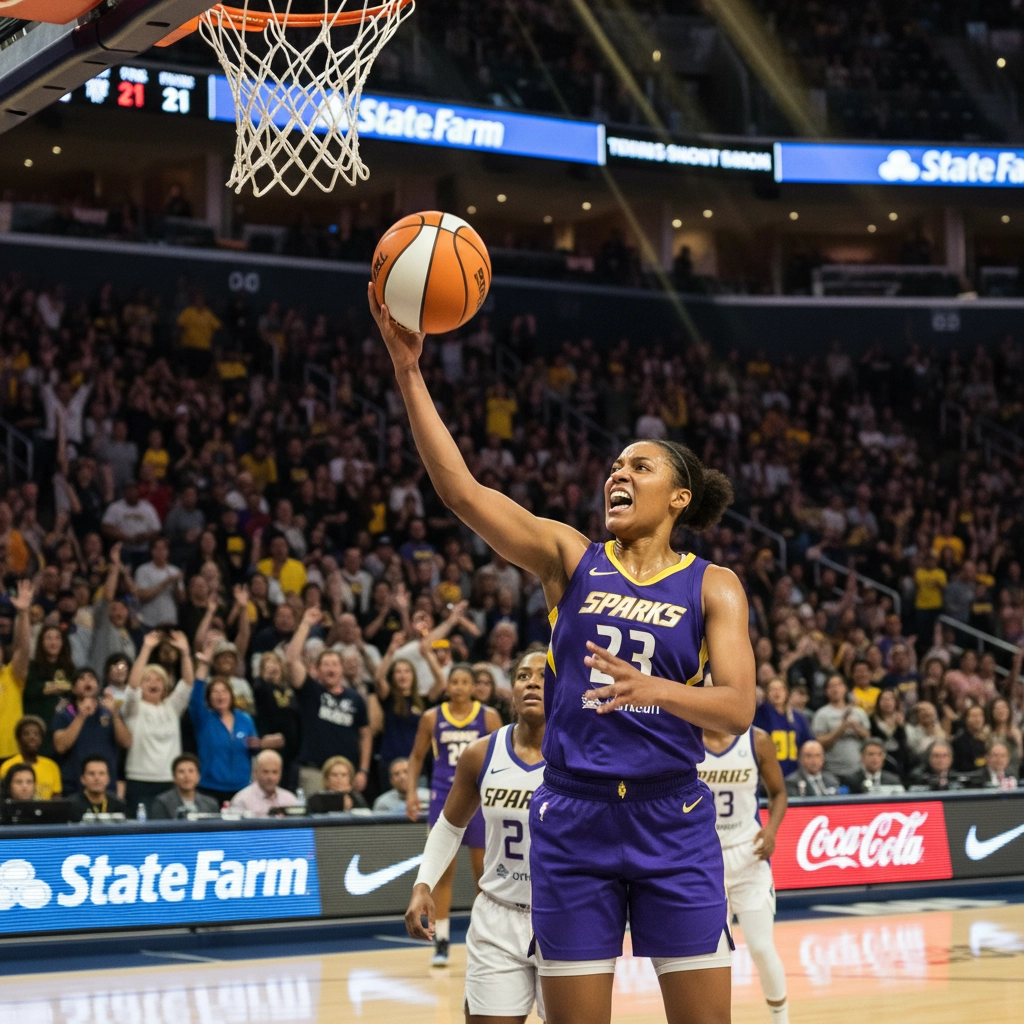
You can access this audience through traditional TV broadcasts, streaming platforms, and digital extensions that follow fans wherever they consume content. The US Women's National Team consistently outperforms their male counterparts in international competitions, creating longer tournament runs and more advertising inventory during peak viewing periods.
Soccer advertising opportunities span:
- NWSL regular season and playoff games
- International tournament coverage
- Olympic Games positioning
- Club-level partnerships for targeted demographics
The FAST Channel Advantage
Free ad-supported streaming television (FAST) gives you cost-effective access to women's sports audiences without premium network pricing. Platforms like LG Channels' NCAA Channel and ION's National Women's Soccer League coverage deliver targeted reach to cord-cutting demographics.
Live women's sports viewership will increase 11.2% in 2025. Position your brand in front of this growth through strategic FAST channel partnerships that reach viewers on phones, computers, and connected TV devices.
Tennis and Individual Athlete Partnerships
Tennis creates unique advertising opportunities through individual athlete partnerships and tournament sponsorships. Coco Gauff became the highest-paid female athlete in 2023 through strategic brand partnerships following her US Open victory.
You need to identify and partner with rising stars before they reach peak commercial value. Early investment in emerging athletes provides longer-term partnership opportunities at lower entry costs.

Multi-Platform Integration Strategy
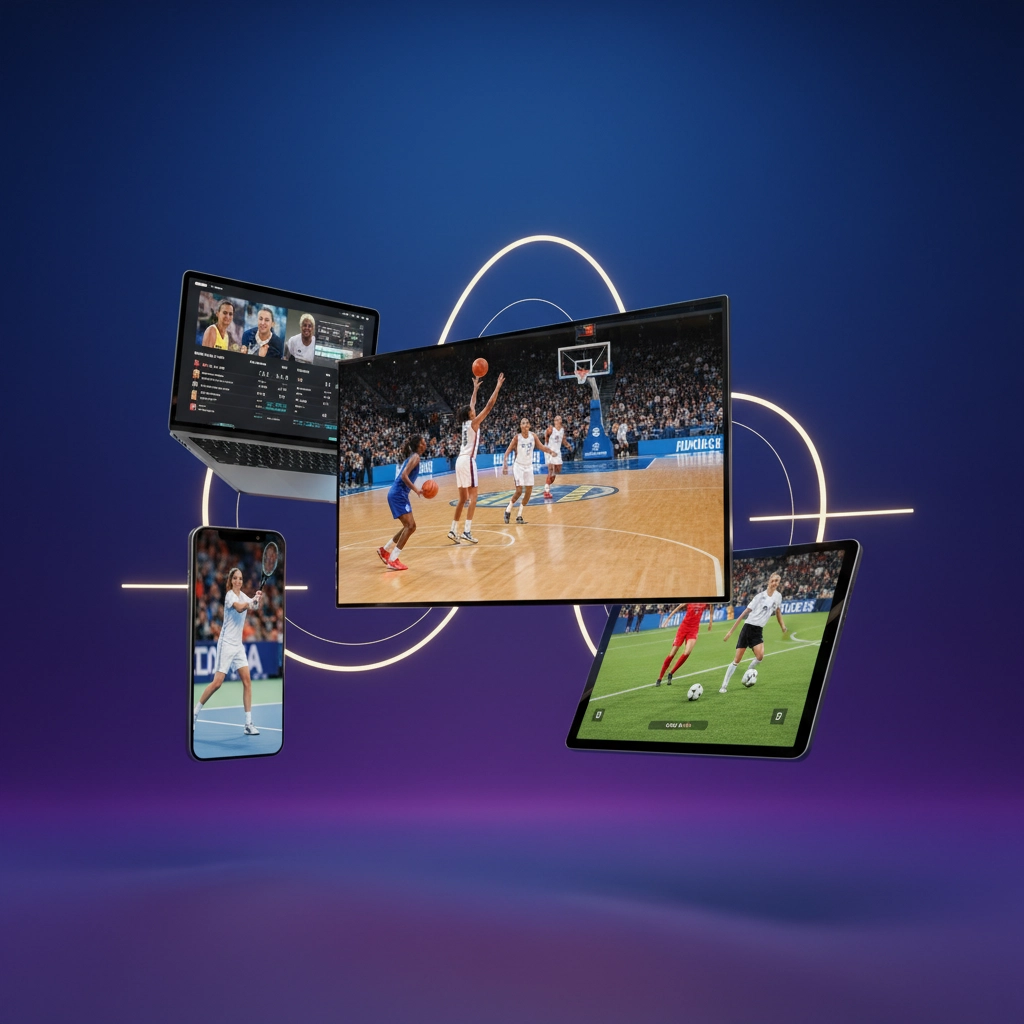
Your women's sports advertising strategy must reach fans across all touchpoints. This means coordinating campaigns that work in stadiums, on traditional TV, through streaming platforms, and on mobile devices. The audience follows the action everywhere: your advertising should too.
Stadium and venue advertising provides:
- Direct fan engagement during live events
- Broadcast visibility during televised games
- Social media amplification through fan-generated content
- Partnership opportunities with venue operations
Digital and streaming reach includes:
- Connected TV advertising during live streams
- Mobile-optimized content for second-screen engagement
- Social media integration with live game coverage
- On-demand viewing platform partnerships
The Institutional Partnership Layer
Beyond individual games and tournaments, institutional partnerships create deeper brand integration opportunities. Through platforms like Sportrons.com, you can connect with educational institutions and athletic programs that support women's sports development.
These partnerships provide:
- Long-term brand association with program growth
- Access to emerging athlete talent pipelines
- Community engagement opportunities
- Educational content marketing platforms
Emerging Sports and Niche Opportunities
Mixed martial arts, golf, and Olympic sports create additional advertising inventory during specific seasons and events. Women headline UFC fights and Olympic competitions, generating audience engagement spikes you can leverage for targeted campaigns.
The key is portfolio diversification across multiple sports and seasons. While basketball and soccer provide year-round opportunities, complementary sports fill seasonal gaps and reach different audience segments.
Pricing and Investment Strategy
Entry costs remain lower than traditional men's sports, but that window is closing. Brands that secure partnerships now lock in favorable pricing before market saturation drives costs up.
Remember: you're not just buying advertising: you're investing in audience relationships that deliver measurable business results. The conversion data proves women's sports audiences engage with brands at higher rates and convert at lower costs.
Budget allocation should prioritize:
- High-conversion opportunities in basketball and soccer
- Emerging athlete partnerships before peak pricing
- Multi-platform campaigns that follow audiences across devices
- Long-term partnerships that build brand loyalty

Implementation Timeline
Start with basketball. The WNBA season provides immediate opportunities with proven conversion metrics. Use those results to justify expanded investment in soccer, tennis, and institutional partnerships.
Don't wait for competitors to discover what you already know. Women's sports advertising delivers superior ROI with audiences that actually convert. The smart money is already moving: make sure you're part of the first wave, not the second.
Your advertising strategy needs to reach fans wherever they consume sports content. In stadiums, at home, on phones, through streaming: the audience is there, the conversion rates are proven, and the inventory is still available at reasonable pricing.
The question isn't whether women's sports advertising works. The data already answers that. The question is whether you'll secure your position before everyone else figures out what you already know.

by Dan Kost, CEO | May 18, 2025 | Blog
Sports sponsorship investments can deliver exceptional returns: when executed correctly. Yet most brands stumble through the same predictable pitfalls, burning through budgets while missing massive opportunities to connect with passionate fan bases. You're likely making at least three of these seven critical mistakes right now.
Here's what you need to know to fix them and start seeing real results from your sponsorship dollars.
Mistake #1: Waiting Until the Season Ends to Measure Success
You cannot optimize what you cannot measure in real-time. Most brands rely on end-of-season reports that arrive three to six months after events conclude. By then, your money is spent, your opportunities are gone, and you're stuck with whatever results you got.

This reactive approach leaves you powerless to make adjustments when they matter most. You miss chances to request make-goods, negotiate better placement, or shift resources to higher-performing assets during the season.
The Fix: Implement measurement systems that deliver actionable insights within 24-48 hours of each event or activation. Track engagement metrics, social media mentions, website traffic spikes, and conversion rates in real-time. Set up automated alerts for when performance drops below acceptable thresholds so you can intervene immediately.
Remember: A sponsorship that underperforms for six months cannot be saved by a strong final quarter. Stay on top of your metrics from day one.
Mistake #2: Treating Sponsorships Like Glorified Logo Placement
Your logo on a stadium wall or jersey sleeve generates impressions: nothing more. You're essentially paying premium rates for passive advertising that fans learn to ignore. This surface-level approach wastes the unique emotional connection sports create between brands and consumers.
The Fix: Build integrated activation campaigns that engage fans beyond simple brand visibility. Create exclusive experiences, interactive content, or fan contests that require active participation. Develop partnerships that give you access to player appearances, behind-the-scenes content, or VIP experiences you can offer to customers and prospects.
Think beyond the logo. What can you offer fans that only a sponsor could provide? That's where real value lives.
Mistake #3: Failing to Define Clear, Measurable Objectives Before You Start
"Brand awareness" is not an objective: it's wishful thinking. Without specific, quantifiable goals, you cannot determine success or failure. You'll evaluate sponsorships based on gut feelings rather than business impact, making renewal decisions with incomplete information.

The Fix: Establish concrete metrics before signing any sponsorship agreement. Define exactly what success looks like: increase website traffic by 25%, generate 500 qualified leads, boost brand recognition among 18-34 males by 15%, or drive $2 million in attributed revenue.
Use the seven key sponsorship ROI metrics as your foundation: audience reach, media exposure value, brand interaction rates, direct sales generated, indirect earnings, customer lifetime value impact, and overall investment return. Each sponsorship should advance at least three of these areas.
Mistake #4: Chasing Prestige Over Strategic Alignment
You see competitors sponsoring high-profile teams or events and assume you need similar partnerships to stay competitive. This ego-driven approach often leads to expensive deals with audiences that don't match your customer demographics or buying patterns.
The Fix: Audit your existing customer base to understand their sports preferences, viewing habits, and engagement patterns. Then target sponsorships where your ideal customers already spend their attention and money. A smaller, perfectly aligned audience delivers better ROI than a massive, mismatched one.
Research the fan demographics, psychographics, and purchasing behaviors of potential sponsorship properties. Look for natural alignment between their audience and your customer base. The best partnerships feel organic to fans: not forced or awkward.
Mistake #5: Focusing on Impressions Instead of Connections
Impression counts make for impressive PowerPoint presentations but poor business decisions. A million impressions that generate zero customer actions provide zero business value. You need engagement, not just eyeballs.

The Fix: Prioritize quality metrics over quantity metrics. Track engagement rates, click-through rates, content shares, and most importantly, conversion actions. Measure how many fans move from awareness to consideration to purchase because of your sponsorship activities.
Develop content and experiences that encourage fan interaction with your brand. Create reasons for people to provide their contact information, visit your locations, or try your products. Build campaigns that capture customer data so you can nurture relationships beyond the sponsored event.
Mistake #6: Letting Others Control Your Measurement
Relying entirely on your agency or the rights holder for performance data leaves you blind to optimization opportunities. You cannot make informed decisions about your investment when others control the information flow. Many agencies provide only high-level summaries that obscure important details about what's working and what isn't.
The Fix: Maintain direct access to your sponsorship performance data through your own analytics platforms. Use tools that aggregate data from all partners, channels, and touchpoints in one dashboard. This gives you the insights needed to make real-time optimizations and negotiate from a position of strength.
Set up tracking systems that follow the complete customer journey from first exposure to final purchase. You need to see how sponsorship activities influence behavior across all touchpoints, not just immediate responses to sponsored content.
Mistake #7: Underestimating (or Overestimating) Your True Value
Many brands either severely undervalue or dramatically overvalue their sponsorship opportunities. Undervaluing leaves money on the table and attracts partners who don't take the relationship seriously. Overvaluing leads to partnerships that cannot deliver adequate return, damaging relationships and future opportunities.

The Fix: Conduct thorough market research to understand what your audience demographics are worth to potential sponsors. Analyze competitors' sponsorship deals, study fan purchasing behaviors, and calculate the lifetime value of customers you can potentially deliver to partners.
Use data-driven pricing models that account for reach, engagement rates, conversion potential, and exclusive access opportunities. Factor in both direct value (immediate sales) and indirect value (brand association, customer data, content creation opportunities) when positioning your sponsorship packages.
Your Path Forward
These seven mistakes cost brands millions in lost opportunities every year. The good news: each one has a clear, actionable solution you can implement starting today.
Begin with mistake #3: define your objectives clearly before your next sponsorship meeting. Then audit your current partnerships using the other six fixes as your evaluation criteria. You'll likely discover opportunities to improve ROI from existing deals while building a stronger foundation for future investments.
Sports sponsorship success requires strategic thinking, real-time measurement, and continuous optimization. Fix these common mistakes, and you'll start seeing the results that make sponsorship budgets easy to justify and expand.
For more insights on maximizing your sports marketing investments, explore our comprehensive resources at SportsMedia.tv.
by Dan Kost, CEO | Apr 18, 2025 | Blog
The sports broadcasting landscape has fundamentally shifted. Small brands are no longer relegated to the sidelines, watching major corporations dominate prime advertising spots. Instead, they're outmaneuvering giants with smarter strategies, targeted approaches, and a deep understanding of modern sports media dynamics.
Here's the reality: it's never been easier for brands of all sizes to reach highly engaged audiences through live sports. You don't need Super Bowl budgets to make a meaningful impact. You need strategic thinking.
The New Playing Field Favors Smart Over Big
Traditional sports advertising operated on a simple principle: the biggest budget wins. Those days are over. Today's sports broadcasting environment rewards precision, creativity, and understanding audience behavior over raw spending power.
Sports viewers represent one of the most engaged demographics in all media. Research shows 48% of viewers watch more than five hours of sports per week, with one-third watching almost every match their favorite team plays. This level of commitment creates exceptional value for advertisers: but only if you know how to tap into it.

The key difference between successful small brands and struggling ones? They've stopped trying to compete with corporate giants on scale and started competing on relevance and timing.
Why Sports Audiences Are Perfect for Small Brand Success
Sports demand real-time attention in ways that on-demand content simply cannot match. When someone watches Netflix, they pause for bathroom breaks, check their phone, or scroll through social media. Sports viewers? They're locked in, focused, and emotionally invested.
This creates three distinct advantages for small brands:
Captive Attention: Sports viewers can't fast-forward through your message. They're present, engaged, and paying attention.
Emotional Connection: Sports evoke genuine emotions. Happy fans make purchasing decisions. Disappointed fans seek comfort purchases. Smart brands position themselves within these emotional moments.
Social Amplification: Sports are inherently social experiences. Many viewers watch games together, whether in living rooms, bars, or streaming with friends online. This co-viewing behavior boosts reach per impression, giving you more value for each ad served.
The Cost-Effective Season-Long Strategy
Here's where small brands consistently outperform their larger competitors: they focus on season-long engagement rather than expensive tentpole moments.
While corporations spend millions on single Super Bowl spots, smart small brands capitalize on engagement throughout entire seasons. You connect with dedicated sports fans regularly, building relationships at a fraction of traditional advertising costs.

Consider this approach: instead of competing for one expensive playoff advertisement, invest in consistent presence during regular season games. Your cost per impression drops dramatically, but your relationship-building potential increases exponentially.
Technology Has Leveled the Playing Field
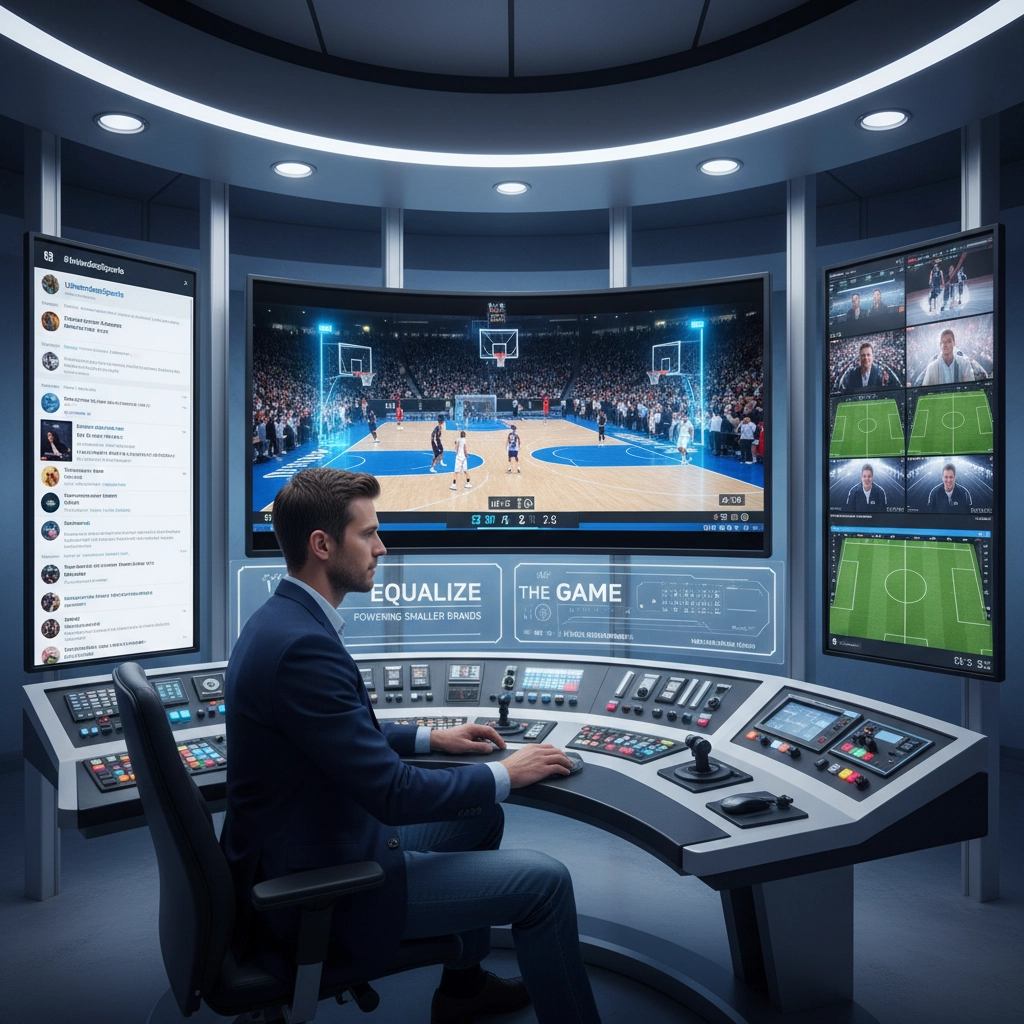
Modern sports broadcasting technology has democratized access in ways that benefit smaller brands disproportionately. AI-powered highlights push clips to social feeds seconds after they happen. Real-time, fan-first content creates personalized experiences that put viewers in the spotlight.
Advanced production tools now make complex workflows feel effortless, dramatically reducing the technical barriers and costs that previously favored larger brands. You can create professional-quality content and engage with sports audiences using the same technological infrastructure as major corporations.
The rise of streaming platforms has forced traditional broadcasters to rethink their strategies, creating new opportunities for smaller brands to participate in interactive content and behind-the-scenes access. Social media integration amplifies reach and creates real-time conversations around events, bringing fans closer to the action in cost-effective ways.
Brand Safety: Sports Broadcasting's Hidden Advantage
Sports broadcasting offers a brand-safe environment that's significantly less controversial than other advertising contexts. You can confidently advertise during sports without worrying about your messages appearing alongside problematic content.
This brand safety advantage allows you to maintain brand integrity while building audience trust: something particularly valuable for smaller brands that can't afford reputation damage.
The Selective Media Buying Advantage
Super Bowl ads command massive budgets because they capture attention on a massive scale. But you don't need to go that big. Being selective with your media purchases allows you to reach ideal customers at your desired scale without breaking the bank.
This selective approach provides several strategic advantages:
Precise Targeting: Focus on specific sports, teams, or geographic regions that align with your customer base.
Budget Optimization: Spread your investment across multiple touchpoints rather than one expensive moment.
Testing Opportunities: Try different approaches, measure results, and optimize based on actual performance data.
Relationship Building: Develop ongoing relationships with sports media properties rather than one-time transactions.
Creator Community Access Changes Everything
The rise of micro-influencers and athlete partnerships has created new pathways for small brands to connect with specific audience segments. These collaborations offer authenticity and trust that often exceed what traditional large-scale advertising achieves.
Focus on building relationships with athletes and sports creators who align with your brand values and target demographics. These partnerships often provide better engagement rates and more authentic connections than traditional celebrity endorsements, at a fraction of the cost.

Your Action Plan for Sports Broadcasting Success
Step One: Map Your Season Strategy
Don't think in terms of individual games or events. Map out entire sports seasons that align with your business cycles and customer behavior patterns. Identify consistent touchpoints throughout the season where you can build relationships with dedicated fans.
Step Two: Embrace Technology Democratization
Take advantage of frictionless production technologies and AI-powered tools now available at accessible price points. These innovations allow you to create professional-quality sports content without traditional production overhead.
Step Three: Develop Social Integration
Create campaigns that integrate seamlessly with social media platforms where sports conversations naturally occur. Focus on content that encourages sharing and real-time engagement during live events.
Step Four: Partner Strategically
Build relationships with sports media properties, micro-influencers, and local sports personalities who can amplify your message authentically within their communities.
The Partnership That Makes the Difference
Navigating sports media buying requires expertise, relationships, and strategic insight. That's where partnering with SportsMedia.tv becomes essential. With deep industry connections and proven strategies for maximizing small brand impact in sports broadcasting, SportsMedia.tv helps you compete effectively without corporate-sized budgets.
The sports broadcasting transformation has created an environment where agility, authenticity, and strategic thinking often triumph over raw budget size. Small brands now have unprecedented opportunities to win big in this dynamic landscape.

Remember: you don't need the biggest budget to make the biggest impact. You need the smartest strategy, the right partnerships, and the determination to think differently about sports media buying.
The playing field has changed. The question isn't whether you can compete( it's whether you're ready to win.)

by Dan Kost, CEO | Mar 18, 2025 | Blog
Sports marketing isn't just about slapping your logo on a jersey anymore. Today's winning campaigns require a coordinated approach that spans multiple channels, creates authentic connections, and delivers measurable results. If you're ready to build campaigns that actually move the needle, this guide will show you exactly how to do it.
What Makes an Integrated Sports Marketing Campaign
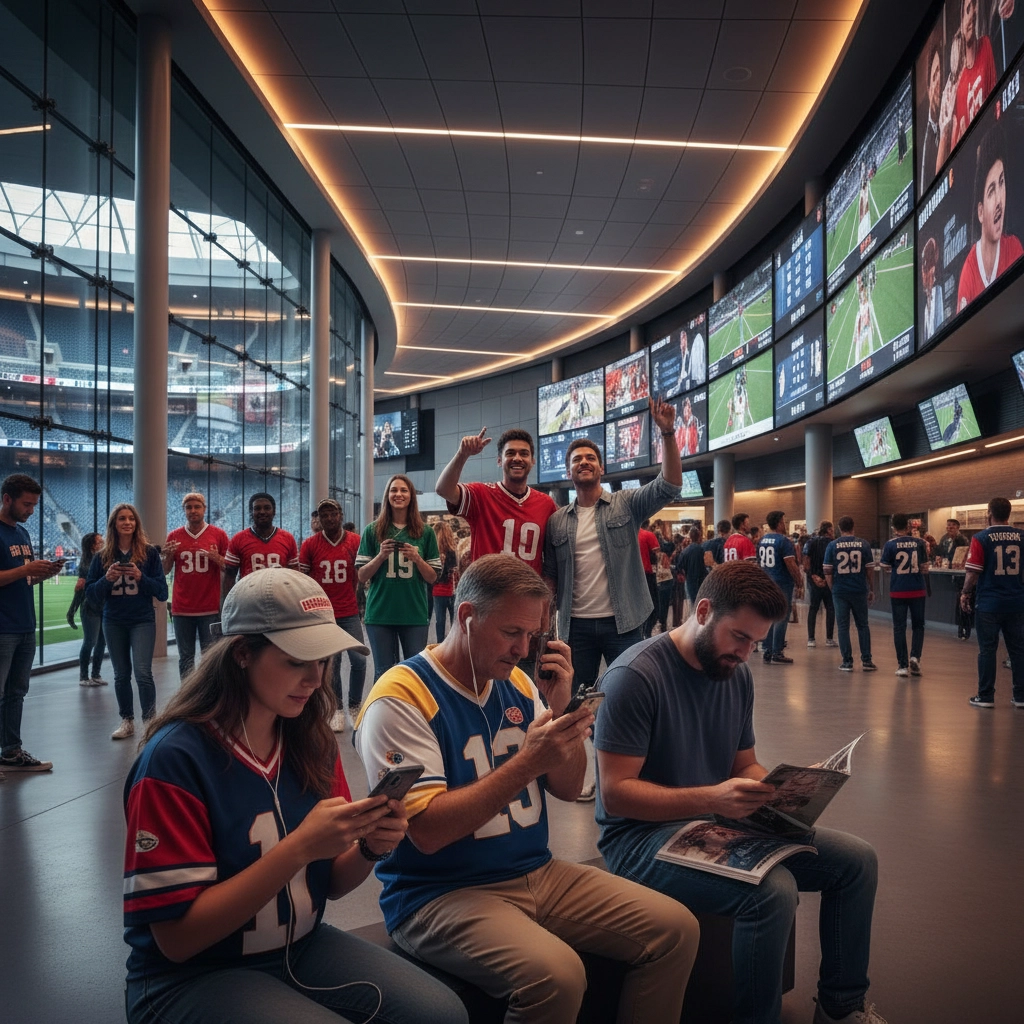
Think of integrated sports marketing as conducting an orchestra. Every instrument: TV, digital, radio, print, and in-venue experiences: must play in harmony to create something memorable. You're not just buying individual advertising spots; you're creating a unified brand experience that follows your audience wherever they consume sports content.
The key difference between scattered advertising efforts and integrated campaigns lies in strategic coordination. When your TV commercial reinforces the same message as your stadium signage, which connects to your social media content, which drives traffic to the same landing page: that's when you see exponential returns on your investment.

Building Your Multi-Channel Foundation
Television: Still the Heavy Hitter
Television remains your primary reach driver, but approach it strategically. Don't just buy random sports programming: analyze viewership data to understand when your target demographic is most engaged. Live sports content offers unique advantages: captive audiences, emotional investment, and real-time social media amplification.
Coordinate your TV spots with live game moments. Schedule commercials during natural viewing breaks, and ensure your creative reflects the energy and passion of the sporting event. Remember, sports fans are different from general TV audiences: they're more engaged, more emotional, and more likely to take immediate action.
Digital: Where Engagement Lives
Your digital strategy must go beyond basic banner ads. Create platform-specific content that feels native to each environment. Twitter works for real-time commentary and quick updates. Instagram and TikTok excel at behind-the-scenes content and athlete partnerships. LinkedIn connects with business decision-makers attending corporate sporting events.
Build dedicated landing pages for each campaign component. When someone clicks from your TV commercial QR code, your stadium signage, or your social media post, they should land on a page specifically designed for that touchpoint. This approach dramatically improves conversion rates and provides cleaner tracking data.
Radio: The Commute Companion
Radio advertising works exceptionally well for sports campaigns because it captures audiences during their daily routines. Sports talk radio, especially, reaches highly engaged fans who influence purchasing decisions within their social circles.
Time your radio spots strategically around game days and sports news cycles. Create sponsorship opportunities around sports talk shows, where your brand becomes part of the conversation rather than an interruption.
Print: Credibility and Depth
While digital dominates attention, print advertising in sports publications and local newspapers still carries significant weight. Sports fans trust printed content differently: they see it as more credible and authoritative.
Use print to tell deeper stories that digital formats can't accommodate. Feature detailed case studies, comprehensive player statistics, or in-depth analysis that positions your brand as knowledgeable and committed to the sport.
In-Venue: The Ultimate Experience
Stadium and arena advertising offers unmatched engagement opportunities. Your audience is captive, emotional, and primed for brand experiences. But don't waste this opportunity on static signage alone.
Create interactive elements that encourage audience participation. Design activations that work during game breaks. Coordinate with venue staff to ensure your brand integration feels seamless rather than intrusive.
The Strategic Planning Process
Phase One: Audience and Opportunity Analysis
Start by mapping your target audience across different sports properties. Which teams do they follow? What games do they attend? How do they consume sports content throughout the week?
Analyze external factors that could impact your campaign timing. Major sporting events, playoffs, trade deadlines, and off-season periods all affect audience attention and engagement levels. Plan your campaign calendar around these natural peaks and valleys.
Phase Two: Partnership Development
Identify strategic partners who share your target audience but don't compete directly with your offerings. These partnerships amplify your reach without diluting your message.
Negotiate partnership terms that benefit all parties. The best sports marketing partnerships create value that exceeds the sum of individual efforts. Look for opportunities to cross-promote, share content, and coordinate timing for maximum impact.

Content Creation and Messaging Strategy
Develop Modular Creative Assets
Create content that works across multiple platforms while maintaining consistent messaging. Your 30-second TV spot should translate into 15-second social media clips, radio scripts, and print advertisements without losing impact.
Design your creative assets modularly. Develop core messages, key visuals, and call-to-action elements that can be recombined for different platforms while maintaining brand consistency.
Storytelling That Connects
Sports fans respond to authentic stories that reflect their passion. Don't just talk about your product features: connect them to the emotions and experiences that sports create.
Focus on relatable scenarios that your audience experiences regularly. The pre-game anticipation, the post-victory celebration, the community feeling of shared fandom: these emotional touchpoints create stronger brand connections than product specifications ever will.
Implementation and Coordination
Launch Timing and Sequencing
Coordinate your channel launch timing for maximum impact. Don't release everything simultaneously: create a planned sequence that builds momentum over time.
Start with awareness-building channels (TV, radio) before transitioning to engagement-focused platforms (digital, social). End with conversion-driving activities (in-venue activations, special offers) when audience interest peaks.
Cross-Channel Message Reinforcement
Ensure each touchpoint reinforces your core message while providing channel-appropriate value. Your TV commercial introduces the concept, your digital content provides deeper engagement, your radio spots reinforce key messages, and your in-venue presence creates memorable experiences.
Avoid simple message repetition: instead, build progressive narrative that develops across channels. Each touchpoint should add new information or perspective while supporting your overall campaign objectives.

Measurement and Optimization
Set Up Comprehensive Tracking
Implement tracking systems before launching your campaign. Use unique URLs, promotional codes, and attribution tags for each channel to understand performance accurately.
Monitor both direct response metrics and brand awareness indicators. Sports marketing campaigns often generate delayed responses as fans research before purchasing. Track assisted conversions and brand lift studies alongside immediate response metrics.
Real-Time Performance Monitoring
Sports marketing campaigns benefit from real-time adjustments. Game outcomes, player performances, and breaking sports news can all impact your campaign effectiveness.
Establish protocols for rapid response to unexpected events. Positive game outcomes might warrant increased spending in that market. Negative events might require message adjustments or temporary pausing.
Data-Driven Decision Making
Use performance data to optimize budget allocation across channels. Identify which combinations produce the strongest results and adjust spending accordingly.
Test different message variations and creative approaches systematically. Sports audiences often respond differently to various appeals, so continuous testing helps identify the most effective approaches.

Common Integration Mistakes to Avoid
Never assume that running ads across multiple channels automatically creates integration. True integration requires strategic coordination of messaging, timing, and audience experience.
Don't neglect mobile optimization. Sports fans increasingly consume content on mobile devices, especially during live games. Ensure all your digital touchpoints work flawlessly on smartphones and tablets.
Avoid generic sports marketing approaches that could apply to any brand. Your integration strategy should reflect your specific value proposition and target audience characteristics.
Making It Work for Your Business
Start with a pilot campaign focusing on one sport or team before expanding. Test your integration approach on a smaller scale to identify what works before committing larger budgets.
Choose sports properties that align naturally with your brand values and customer demographics. Authentic connections produce better results than forced associations with popular teams or athletes.
Remember that successful integrated sports marketing campaigns require sustained effort and investment. Single-event activations rarely produce lasting impact. Plan for multi-touch campaigns that build relationships over time.
Your integrated sports marketing campaign succeeds when every touchpoint works together to create a unified brand experience. Focus on strategic coordination, authentic storytelling, and continuous optimization. The results will justify the additional planning effort required to execute truly integrated campaigns.

Recent Comments